Showing posts with label רמב"ם. Show all posts

Thursday, January 9, 2020

סיום דף יומי # 329

קיים מנהג פופולרי בקרב יהודים דתיים ללמוד כל יום דף בתלמוד בבלי. רובם אינם מסוגלים להבין את התלמוד בעצמם, ואפילו מורה בדרך כלל צריך להכין הרצאה מראש. כתוצאה מכך מקובל שהשיעור מתקיים בבית כנסת. לעיתים קרובות מדובר בשולחן ארוך בו מוקף הרב תלמידיו. זה נקרא הדף היומי כמשמעו. זה מסודר כאשר לכל יום יש דף ייעודי. זה מקל על אנשים שנוסעים להתעדכן בחומרים כמו גם לטפח אחווה בקרב המשתתפים.
לתלמוד הבבלי יש כמה שמות. הנפוצה ביותר היא הגמרא. התלמוד כולל שני מרכיבים, המשנה והגמרא. המשנה היא יצירה נפרדת בפני עצמה, בנוסף היא משמשת כמתאר משפט. הגמרא עוקבת אחריה והינה הרחבה ממושכת ולעתים קרובות מעוררת המשנה. כל שלושת המונחים הם לשון הלמידה. במשנה יש 63 מסכתות, אך רק על  37 מהם יש גמרא עליהם בתלמוד הבבלי. שם נוסף ש"ס בבלי. ש"ס הוא קיצור המתייחס לשש החלקים של המשנה כולה. בנוסף לכך יש גם תלמוד ירושלמי. 
בתלמוד בבלי על כל עמוד יש הוספות המודפסים על כל עמוד, הכוללים מספר פרשנים, שתיים מהן, רש"י ותוספות, הן בדרך כלל ארוכים. אתרי אינטרנט שצברו פופולריות משמרים באופן רופף את המבנה הזה. אלה מפוזרים ב 20 ספרים גבוהים נפרדים עם סך של 2711 עמודים. כתוצאה מכך לדף היומי יש סיום של ש"ס אחת לשבע שנים.
הסיום האחרון היה 3 בינואר 2020. באחד הגדול השתתפו 82,500 משתתפים באיצטדיון מטרופוליטן לייף באזור ניו יורק. בישראל מילאו למעלה מ- 8,000 דוברי אנגלית את מרכז הכנסים של בנייני האומה בירושלים. המנהג הפופולרי בישראל מיועד לחגיגות מקומיות, שיש בה רבות, כולל אחת שאשתתף בהן, בבית הכנסת אש קודש ביום רביעי בערב. יש לי סיבה טובה לחגוג משום שזכיתי ללמוד ולסיים את כל הש"ס במשך כל המחזור, בעזרת חבורו המפואר של מורי ורבי הרב שטיינזלץ שליט"א.
הגמרא מורכבת מנושאים רבים אך העיקרית היא ההלכה היהודית. חלק גדול עוסק בקיום יום יומי כמו תפילה, חגים דתיים, חוקי תזונה, נישואין וטהרת המשפחה. פרק גדול נוסף עוסק בצדק פלילי כמו נזק לרכוש, אלימות והליך בית משפט. החלק העיקרי השלישי עוסק בקרבנות המקדש. הגישות העיקריות הן דיונים משפטיים וסיפורים להמחשה על איך חכמים וצדיקים שמרו על החוק.
התלמוד הבבלי לוכד בחוזקה את המנטליות של היהודים הדתיים לאורך הדורות כולל היהודים האורתודוקסים של ימינו. זה כולל את הפרשנות שלהם למה צריך להיות החוק, יחסו לתנ"ך, ניבים וקו הנמקה. יש שיעשו משחק מילים על הכותרת "בבלי" הדומה למילה מבולבלת ומצביעים על סגנונה הספרותי המטלטל.

לע"נ  האמא מלכה בת חיים ז"ל נלב"ע טז ניסן תשנ"ח
העלון ניתן לקבל בדואר אלקטרוני  וגם באתר http://dyschreiber.blogspot.com

Thursday, May 4, 2017

אחרי-קדושים, פרקי אבות # 224 - אחריות הרבנים

 
פר' אחרי מות מתחיל עם תיקון לפטירתם של בני אהרן שהם מתו בחנוכת המשכן במדבר, "ויקחו בני אהרן נדב ואביהוא איש מחתתו ויתנו בהן אש וישימו עליה קטרת ויקרבו לפני ה’ אש זרה אשר לא צוה אתם," (ויקרא ט א). הקושיא מדוע בן אדם מת ביד ה' על עבירה קטנה, גם יש ספק אם היה עבירה בכל אופן?
בהמשך, "ויאמר משה אל אהרן הוא אשר דבר ה' לאמר בקרבי אקדש ועל פני כל העם אכבד וידם אהרן", (ויקרא י ג). רש"י מסביר כי נדב ואביהוא היו אנשים גדולים שהיו מנהיגים ראשיים של ישראל. בהתבונן בדברי החומש נבין שמנהיגים של  ישראל היו משה, אהרן ומרים. נדב ואביהוא היו במעמד השני יחד עם בני אהרן, אלעזר ואיתמר, בתוספת יהושע ופנחס.
כוונת הפסוק היא כי הבאת קטורת זו היתה יוזמה שלהם והייתה סטייה בטקס הקבוע בקפידה. י"א שזה התפרצות ספונטאנית של התלהבות דתית, ומסבירים כמו שאסור להשתכר יותר מדי על יין כן אין לשכור יתר מדי על דברי תורה. ספרא ויקרא (פרק י) מדגיש כי נדב ואביהוא היה נמקה משלהם ולא דנו ברעיונות שלהם עם אחרים. רוב הפרשנויות שליליות ואומרות שההחלטה הזאת לא היתה שלהם, והן חרגו מסמכותן. גם יש להבין את הפסוק שהם היו מאוד פוחז.
"לֹא צִוָּה אֹתָם", גזמה מנמסה כוונתה מעשה זאת היה רע. בספרא כבאכול הקב"ה אמר, "אתם הכנסתם לפני אש טמאה". במילים אחרות מה נדב ואביהוא עשה לא בסדר הן בצורה והן בחומר. הם טעו להביא את הקטורת כמו שהם עשו והם טעו להביא את זה תקופה. סוג הגישה היה שגוי וזה לא היה סוג נכון של קטורת.
הקושי עודנו. כן חלה תקלה בטקס ונחשבו שהם הסריחו את המקום. אעפ"כ מיתה בידי שמיים נראה עונש מוגזם. התשובה היא כי שגיאות של מנהיג יכול לגרום לתוצאות מזיקות מאוד עבור אחרים. יש היבט של זה בפרקי אבות א ב באומרו של אנטיגנוס איש סוכו, "אל תהיו כעבדים המשמשין את הרב על מנת לקבל פרס, אלא הוו כעבדים המשמשין את הרב שלא על מנת לקבל פרס". פירוש הרמב"ם, "והיו לזה החכם שני תלמידים שם האחד צדוק ושם השני ביתוס וכאשר שמעו שאמר זה המאמר יצאו מלפניו ואמר האחד לחברו הנה הרב אמר בפירוש שאין לאדם לא גמול ולא עונש". זה בעצם אומר כי אדם צריך לעשות את המצוות כי הם טובים במהותם וכי זה לא מתאים לעשות אותם עבור מניע הבסיס.
הצדוקים דחו את התורה משום שהם נצמדו למניעים בסיסיים לא בגלל קשיים בתורות דתיות. הם הרגישו צורך בהסבר כדי להצדיק את החלטתם ואת פרק זה היה קל לשימוש לרעה. מאוחר יותר פרקי אבות (ר' א יא) מנתח את הצורך של חכמים לשקול את המילים שלהם בזהירות. הוא חושש שחוסר זהירות יביא לתלמידים מוטעים, שיהרסו בגולה, משום שהם קיבלו רעיונות רעים, ובסופו של דבר יהיה חילול השם.
התורה אומרת שאם ריח מלוכלך ישתרש בקרב עם ישראל, התוצאות יכולות להיות טרגדיה. גם חוצפה וחצוצרה יכולים להיות הרות אסון ויש לעקורם. אם מנהיגי ישראל יחזקו אותם, התוצאות יכולות להיות הרסניות חו"ש. זה מראה את האחריות הגדולה כי הם הניחו על ידי הרבנים ומחנכים של העם היהודי וכמה חשוב זה כדי להנחות כראוי את העם בדרכים של תורה.


לע"נ  האמה מלכה בת חיים ז"ל נלב"ע טז ניסן תשנח
העלון ניתן לקבל בדואר אלקטרוני  וגם באתר  http://dyschreiber.blogspot.com


Thursday, April 27, 2017

פרקי משה פרק ב # 223 - סעיפים שונים העוסקים בנוזלי גוף

מאמר ב "כולל פרקים תלויים בליחות".לאחר העיון בו, אפשר להבין מדוע הרמב"ם התנצל בהקדמתו לשימוש באפטוריזם.זה שונה מעבודות הרמב"ם כמו המשנה תורה, מורה נבוכים, ופירושו למשנה, שהם מאוד צלולים וממוקדים. יש להם מסרים ברורים שמתמזגים זה לזה והנושאים הבסיסיים ברורים ומאורגנים. זה כולל את הדיון שלו על פרקטיקות בריאות בהלכות דעות.
"פרקים תלויים בליחות" מציג כמה נושאים ביחד במה שנראה כמו אופנה מטורפת. בדרך זו ובאחרים היא מחקה את צורת המשנה. רבים מן הפתגמים הם תיאורים פיזיים של נוזלי גוף, היכן הם נמצאים, איך הם נוצרים, ואת השפעתם על הבריאות.
פרקי משה.jpg
פרק זה נתפס בדרך כלל כמי שעסוק ב"ארבעת ההומור" של העת העתיקה. עם זאת, הרמב"ם נוטה להתייחס לכך יותר ככלל אצבע ולא כתיאוריה פורמלית ובבית הספר לפרקטיקה. אבל לא ברור אם הרמב"ם סובר שהוא שיטה או סתם מנהג. ניתן לשער כי הוא טען כי ארבעת ההומור תואמים את ארבעת היסודות, אך לא רצו לדון בכך בשל חששות מפני הביקורת כמו אלה שקיבל על נושאים דומים ב"הלכות יסודי התורה" ו"מורה נבוכים".
הנה הפרק הראשון כמו שהוא (נוסף מרחבים):
הדם הוא דבר מורכב מכל הליחות  כפי החלוקה טבעית      נולד בכבד       ונקרא בשם דם לתגבורת הדם ומשלו על הליחות האחרות      וזהו אשר יוצא בהקזה וקרני המציצה.      ובגוף יש ד׳ ליחות: הדם והלבנה והמרה אדומה והשחורה,     
אין רצוננו באמרו הדם הדבר "המורכב מכלל הליחות     (נ"א רצוננו לומר הדבר הלקוח במחשבה בלתי מעורב בדבר זולת מן הליחות)     בלתי מעורב בדבר זולת מן הלחות: (עכ"ל).
הבא אומר הרמב"ם כי כל הנוזלים מכילים את אותו חומר מימי. הנוזל המימי המזיק ביותר הוא המורה השחורה. פחות מזיק הוא אדום, פחות מזה מזיק הוא הלבן, החם ביותר והטוב ביותר מכל הארבעה הוא הדם.
כמה פרקים מוקדשים לתיאורים פיזיים של נוזלי הגוף, כפי שרופא יראה אותם. לאחר מכן ישנם מספר פרקים בנושאים קצרים שמעבירים את הנושא מדם לנושא העיכול. כמעט כל 15 הפרקים האחרונים קשורים לעיכול. הדם הוא המהות של מה הרמב"ם הוא מדבר, והעיכול הוא השדרה העיקרית.
למדתי לקח על בריאות ועל עיכול מפרק זה. דם בריא פירושו אדם בריא. משמעות הדבר היא כי אדם צריך להיות מודע ומעונין בדם שלו. אפשר להרגיש בדם סוכר גבוה וגם עייפות. זה צריך להיות מנוהל, במיוחד סוכר בדם גבוהה. במו עיני ראיתי שרמת הסוכר גבוהה בדם גורמת לקפיצות ולפזיזות, במיוחד אם זה מתמשך על ידי מנות גבוהות קבוע של ממתקים. לאחר מכן הסוכר הגבוהה בדם הנגרמת על ידי מזון מתקתק גורם להשמנת יתר. אחרי עשרות שנים זה גורם לסוכרת.
בשבילי הוא להיות מודע לטעם ואת הרגשות בגוף שלי. חשוב מאוד זה מרגיש את הקשר בין שניהם. המטרה היא בריאות טובה ושמחה. כמו שכתוב בקיצור שולחן ערוך לא ב, "ויש אנשי מעשה שקודם אכילה אומרים, הנני רוצה לאכול ולשתות כדי שאהיה בריא וחזק לעבודת הבורא יתברך שמו".


Bibliography:


פרקי משה - משה בן מימון, 1138-1204; HebrewBooks.org; Chapter 2 (כולל פרקים תלויים בליחות);


Rosner, Dr. Fred; Maimonides Medical Writings (Volume 3); pp 26 - 33; The Medical Aphorisms of Moses Maimonides; published by The Maimonides Research Institute, Haifa, Israel.


לע"נ  האמה מלכה בת חיים ז"ל נלב"ע טז ניסן תשנח
העלון ניתן לקבל בדואר אלקטרוני  וגם באתר  http://dyschreiber.blogspot.com


Wednesday, April 26, 2017

Pirke Moshe - chap 2: Assorted Paragraphs Dealing with Bodily Fluids

The second chapter in Pirke Moshe is titled, “Assorted Paragraphs Dealing with Bodily Fluids”, and after scanning it, one can understand why Maimonides gave an apology in his preface for the use of aphorisms. It differs from works of the Rambam like the Mishna Torah, Guide for the Perplexed, and his commentary on the Mishna, which are very lucid and focused. They have distinct messages that blend into one another and the underlying themes are clear and organized. This includes his discussion of healthy practices in the laws of character (הלכות דעות). “Dealing with Bodily Fluids” presents several themes together in what seems to be a rambling fashion. In this way and others it mimics the form of the Mishna. Many of the aphorisms are physical descriptions of bodily fluids, where they are found, how they are formed, and their effect on health.


This chapter is often seen as the one that is busy with the “Four Humors” of antiquity. However, Maimonides tends to treat this more as a rule of thumb rather than a formal theory and school of practice. It is not immediately apparent what his opinion was of the theory of the “Four Humors”. It can be speculated that he held that the four humors corresponded to the Four Elements of antiquity but did not wish to discuss this due to worries about the criticisms like the ones he received over similar subjects in “Practices concerning the Basics of Torah” (הלכות יסודי התורה) and “Guide for the Perplexed”.

פרקי משה.jpgThis is a translation of the first aphorism. I’ve tried to preserve the literary style of the more or less original text: The blood is the thing that is combined from all of the fluids, according to their natural disposition. Born in the liver, it is called by the name blood because of the preponderance of the blood and its domination over other fluids. It’s what comes out from blood-letting or suction cups. In the body there are four fluids: the blood, the white, the bitter red, and the black. Seemingly Garbled Text, which expresses the idea that blood in practice is not typically the blood of the Four Humors theory. The vehicle is a ruling which one of them is to be simply called “the blood”.

Next the Rambam states that all fluids contain the exact same watery substance. The most detrimental watery fluid is the black bile. Less detrimental is red, even less detrimental is the white, the warmest and best of all of them is the blood and the aspect of blood in it.

Several paragraphs are devoted to physical descriptions of bodily fluids the way a physician would be expected to see them. There are then a number of paragraphs on short subjects that segue from the subject of blood to the subject of digestion. Almost all of the last 15 of the 30 paragraphs are connected with digestion. Blood is the essence of what Maimonides is talking about and digestion is the major avenue.

I have learned a lesson on health and digestion from this chapter. Healthy blood means a healthy person. This means that a person should be conscious and interested in their blood. One can feel high blood sugar and fatigue in their blood. This needs to be managed especially high blood sugar. To me high blood sugar causes jumpiness and impetuousness especially if it is sustained by constant high doses of sweets. After that the high blood sugar caused by the highly sugared food causes obesity. It seems to me over a period of decades it results in diabetes.

For me a vehicle is to be conscious of taste and the feelings in my body. Very important to this is feeling the connection between the two of them. The goal is good health and happiness. As it is written in the Kitzur Shulchan Aruch (31:2), “There are men of action who, before eating, say: 'Behold I want to eat and drink in to be healthy and strong in order to serve the Creator, blessed be His name’.''


Bibliography:

פרקי משה - משה בן מימון, 1138-1204; HebrewBooks.org; Chapter 2 (כולל פרקים תלויים בליחות);

Rosner, Dr. Fred; Maimonides Medical Writings (Volume 3); pp 26 - 33; The Medical Aphorisms of Moses Maimonides; published by The Maimonides Research Institute, Haifa, Israel.


לע"נ  האמה מלכה בת חיים ז"ל נלב"ע טז ניסן תשנח
העלון ניתן לקבל בדואר אלקטרוני  וגם באתר  http://dyschreiber.blogspot.com


Thursday, April 20, 2017

The Medical Aphorisms of Moses Maimonides: Introduction & Chapter 1

The introduction is to “The Medical Aphorisms of Moses Maimonides” is fundamentally an author’s explanation of important literary issues in the book. Here the Rambam explains why he set his work up by using the grammatical form of aphorisms. Aphorism is a translation of the Hebrew word פֶּרֶק (perek). In this case a perek is a short paragraph. An example of this would be the Mishna especially Pirkei Avos. He justifies his choice of Mishnayos because it is readable, understandable, and penetrating, and also remarks that this form was used by Hippocrates, Galen, and other great doctors. The aphorisms are required to be memorized. The objective is that the student should ponder each aphorism and be articulate about it.

פרקי משה.jpg
Maimonides then discusses the nature of citing the original source and its importance. In regards to that he says it should be done concisely and with selectively. This is so the article will not become excessively wordy. Much text is spent justifying his decisions against likely public criticism. He concludes by saying that he organized the chapters into a number of articles “to lighten up the task of memorizing them and to reveal that which I wanted to reveal (להתגלות בזה מה שאני רוצת לגלותו)”.


25 chapters are then listed each with a less than one sentence title. Some of the topics include physical description of parts of the body and their workings, medical theory and techniques, general medical advice, and treatments for specific maladies. However, there is not much of topical pattern.

The first chapter has 74 aphorisms. It describes the parts of the body, how they operate, and their functions. However some of them are digressions to aid in memorization. The first aphorism states, “Nerves both sensory and motor join the brain or spinal cord to the muscles. They touch the front or the center of the muscle. The middle section is regarded as the principal section of the muscle”. The next mishna is about the connection of the nerves to the muscles of the diaphragm. The diaphragm is a part of the body which separates the digestive organs from the lungs and heart. The next aphorisms deal with arteries and veins. The skeletal system is then brought into the analysis. After that the organs are briefly discussed. The senses and mental illness are also mentioned briefly. The last topics are things like movement especially voluntary movement, memory, digestion, expulsion of waste, speech, and procreation.

The longest sections are number 38 concerning sensations during sleep, number 58 on the assimilation of nutrients, and number 72 on the potentials of semen. Sections 32 through 40 deal with voluntary movement which is contrasted with the reflex and confused  movements which occur during sleep. Maimonides explains that voluntary movement is sometimes derived from active thought and other times from reflexes caused by various sensations. He also mentions a guarding force emanating from memory.

The Rambam counts three stages of digestion. The first occurs in the stomach, the second in the intestines, and the third in the liver, after which the finished nutrients are distributed throughout the body. Four seminal forces are described. It is not clear if these emanate from some form of semen itself or simply have similar properties. The first is the procreating or developmental force which makes things like bones and nerves. The structure-forming force shapes and sizes them. There are also growth and nutritive forces. All of them are present in the workings of the body from the fetus until death. However different ones are dominant at different periods of a person’s life.


Bibliography:

פרקי משה - משה בן מימון, 1138-1204; HebrewBooks.org;

Rosner, Dr. Fred; Maimonides Medical Writings (Volume 3) - The Medical Aphorisms of Moses Maimonides; published by The Maimonides Research Institute, Haifa, Israel.


לע"נ  האמה מלכה בת חיים ז"ל נלב"ע טז ניסן תשנח
העלון ניתן לקבל בדואר אלקטרוני  וגם באתר  http://dyschreiber.blogspot.com


פרקי משה: הקדמה ופ"א

הקדמה ל"פרקי משה" מסביר בעיקר ענייני ספרות חשובים ששייך לספרו. פה הרמב"ם מסביר שימושום של פרקים. פירוש פֶּרֶק זה קטע קצר. דוגמה לזה משניות פרקי אבות. הוא מצדיק בחירתו כי "עוזר זה לקורא אותם להבין כוונותיהם ולזכרם על פה". גם צורה זו שמשה את היפוקרטס, גאלן, ורופאים אחרים נהדרים. המטרה היא כי התלמיד יתבונן בכל פתגם ולהיות רהוט על זה.
פרקי משה.jpgהרמב"ם דן באופיו של המקור המקורי וחשיבותו. על כך הוא אומר שצריך לעשות זאת תמציתי סלקטיבי. צריך את זה כדי שהמאמר לא יהיה מלולי. הוא מאריך להצדיק את החלטותיו נגד ביקורת ציבורית אפשרית. הוא מסכם שהוא חלק את הפרקים האלה למספר מאמרים כדי להקל זכירתם או שיתגלה בזה מה שהוא רוצת לגלותו.
25 פרקים מופיעים כל אחד עם כותרת פחות ממשפט אחד. חלק מהנושאים כוללים תיאור פיזי של חלקי הגוף ואת פעולתם, תיאוריה רפואית ותהליך ביצוע, ייעוץ רפואי כללי, וטיפולים עבור מחלות שונות. עם זאת, אין הרבה ארגון לעניינים.
יש לפרק הראשון 74 קטעים. הוא מתאר את חלקי הגוף, את פעולתם ואת תפקידיהם. עם זאת יש כמה שהם יוצא דופן ורק לסייע שינון. אמר הפתגם הראשון, "העצב אשר יבא לעצל בכח החוש והתנועה מהמוח וחוט השדרה מתחבר בכל עצל  אם בתחלהו. או בין התחלתו ואמצעותו. והיה  המקום האמצעי הוא ראש אותו העצל".
המשנה הבא הוא על החיבור של העצבים אל השרירים של הסרעפת. הסרעפת היא חלק מהגוף המפריד בין אברי העיכול לבין הריאות והלב. הסעיפים הבאים עוסקים בעורקים וורידים. מערכת השלד מובא למחקר. אחרי כך האיברים נדונים בקצרה. החושים ומחלות הנפש גם מוזכרים בקצרה. הנושאים האחרונים הם דברים כמו תנועה במיוחד תנועה מרצון, זיכרון, עיכול, גירוש פסולת, דיבור.
הסעיפים הארוכים ביותר הם מספר 38 לגבי תחושות במהלך השינה, מספר 58 על הטמעת חומרים מזינים. סעיפים 32 עד 40 עוסקים בתנועות התנדבותיות המנוגדות לרפלקס ותנועות מבולבלות המתרחשות במהלך השינה. הרמב"ם מסביר שהתנועה ההתנדבותית נובעת לפעמים ממחשבה אקטיבית ומפעמים אחרים מרפלקסים הנגרמים על ידי תחושות שונות. הוא מזכיר גם את כוח השמירה שמקורו בזיכרון.
הרמב"ם מונה שלושה שלבי עיכול. הראשון מתרחש בבטן, השני במעיים, והשלישית בכבד, לאחר מכן החומרים המזינים מופצים בכל הגוף. ארבעה כוחות מתוארים. הראשון הוא הכוח המתפתח או ההתפתחותי שעושה דברים כמו עצמות ועצבים. כוח בניית המבנה מעצב ומגדיל אותם. יש גם כוחות צמיחה ותזונתיים. כולם נמצאים בגוף מן העובר עד ליום המות. עם זאת, יש כאלה שונים ששולטים בתקופות שונות של חייו של אדם.


Bibliography:

פרקי משה - משה בן מימון, 1138-1204; HebrewBooks.org;
http://hebrewbooks.org/pdfpager.aspx?req=46982&st=&pgnum=1&hilite=

Rosner, Dr. Fred; Maimonides Medical Writings (Volume 3) - The Medical Aphorisms of Moses Maimonides; published by The Maimonides Research Institute, Haifa, Israel.


לע"נ  האמה מלכה בת חיים ז"ל נלב"ע טז ניסן תשנח
העלון ניתן לקבל בדואר אלקטרוני  וגם באתר  http://dyschreiber.blogspot.com


Wednesday, March 29, 2017

חלק ז: סיקור הכתבים הרפואיים של הרמב"ם

המשך הרישום של הכתבים הרפואיים של הרמב"ם.
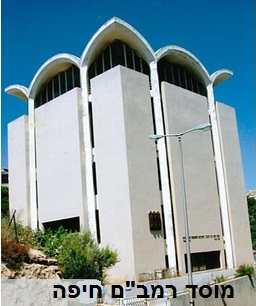
מוסד רמבם.jpg11. "על קץ החיים", שם בערבית לא ידוע. ספר זה הוא תיאור מפורט של סיבות שונות למוות. הוא תורגם לעברית על ידי יהושע ליבוביץ, אך עדיין לא לאנגלית. הוא מופיע במאמר ויקיפדיה בעברית על הרמב"ם, אבל לא מצאתי את הספר, הביאט כמה  ציטוטים שמצאתי. האחת היא, "קביעות קצבת החיים של האדם היא קבועה מראש, אך אין היא מוחלטת, ויכולה היא להשתנות בהתאם למעשיו הפיסיים והרוחניים של האדם". השני הוא, "האויר אינו חודר ללב וכך נגרמת הפסקת הנשימה". קטע הזה אמר על הפגיעה בריאה יש רמז לפקקת וביטוי למחשבה המודינמית.
מקורות אחדים מציינים ספר בשם "תשובות רפואיות". בהתחלה חשבתי שזאת עבודה נפרדת של שאלות רפואיות שהובאו לרמב"ם ולתשובותיו. אבל על מחקר נוסף ראיתי שזה שם אחר לספר "על בירור סימני ההתקפים".
סֶט שבעת הכרכים "Maimonides Medical Writings" (כתבי הרפואי הרמב"ם) מאת ד"ר פרד רוזנר סדר שלהם כדלקמן.
כרך 1: על סמי הרפואה, מאמר הטחורים.
כרך 2: פירוש לפרקי אבוקרט
כרך 3: פרקי משה
כרך 4: Moses Maimonides’ Three Treatises on Health. הנהו, הנהגת הבריאות, ו על בירור סימני ההתקפים. השלישי הוא הלכות דעות שנמצא במשנה תורה.
כרך 5: קיצורי גלנוס
כרך 6: ספר הקצרת
כרך 7: שמות התרופות
רוזנר אינו כולל "על קץ החיים".
ספרים אלה ואחרים מתפרסמים על ידי מכון מחקר רמב"ם  (Maimonides Institute & Ramba"m Center), רח' הרב אסף דוד 3-7, ת.ד. 9049 , הר הכרמל, חיפה, 31090, טלפון # 04-8255152 (ישראל), 212-366-9020
ו 917-513-0139 (ארה"ב). המשימה של מכון המחקר של הרמב"ם היא לחזק את לימוד והרבצת הידע של הרמב"ם, כולל כתבי הרפואה שלו. חלק מהשירותים שלה הם ספריה, בית מדרש, כולל ומכירה של ספרים. נשיאה הוא הרב יהודה אסף. יו"ר הועד הרפואי הוא ד"ר אהרון פיינגולד וד"ר פרד רוזנר.


לע"נ  האמה מלכה בת חיים ז"ל נלב"ע טז ניסן תשנח
העלון ניתן לקבל בדואר אלקטרוני  וגם באתר  http://dyschreiber.blogspot.com


VaYikra # 7: Survey of the Medical Writings of Maimonides

Continuation of the listing of the medical writings of Moses Maimonides commonly referred to as the Rambam.

11. “על קץ החיים”, Name in Arabic not known; English name, “Concerning the End of Life”. This book is a detailed description of various causes of death. It has been translated into Hebrew by Yehoshua Leibowitz (יהושע ליבוביץ) but still not into English. It is listed in the Hebrew Wikipedia article on the Rambam, but I have not found an edition of it on the internet. There are a couple of quotes from it I found on the internet. One is, “There are predetermined lifetime allotments but they are not absolute, rather they can vary according to the physical and spiritual actions of the man”. Another is, "The air does not penetrate the heart and thus causes the cessation of breathing". This section concerns a punctured lung and hints at  the formation of a blood clot inside a blood vessel, which obstructs the flow of blood through the circulatory system. It also is an expression of the mechanism for blood circulation throughout the system.

Some sources list a book called “Medical Responsa” (תשובות רפואיות). I originally considered this to be a separate work of medical questions posed to Maimonides and his replies. However on further research I saw it was a different name for the the book “Clarifying the Symptoms of Outbursts” (על בירור סימני ההתקפים).

The seven volume set “Maimonides Medical Writings” by Fred Rosner, M.D. has their order as follows.
Volume 1: Poisons (על הסמים), Hemorrhoids (מאמר הטחורים), Cohabitation (מאמר המשגל)
Volume 2: “Maimonides’ Commentary of the Aphorisms of Hippocrates” (פירוש לפרקי אבוקרט)
Volume 3: “The Medical Aphorisms of Moses Maimonides” (פרקי משה)
Volume 4: Moses Maimonides’ Three Treatises on Health. They are “Regimen of Health” (הנהגת הבריאות) and, “Causes of Symptoms” (על בירור סימני ההתקפים). The third he calls “Laws of Human Temperaments”, however this is not a separate medical writing of the Rambam rather it is a section (הלכות דעות) found in his larger work of the Jewish law the Mishna Torah.
Volume 5: “The Art of the Cure -- Extracts from Galen” (קיצורי גלנוס)
Volume 6: “Treatise on Asthma” (ספר הקצרת)
Volume 7: “Glossary of Drug Names” (שמות התרופות)
Not included in Rosner is “Concerning the End of Life” (על קץ החיים)

These and other books are published by “The Maimonides Research Institute”, 3-7 David Assaf ST, Post Office Box 9049, Mount Carmel, Haifa 31090, Israel.  Telephone # 04-825 5152 (Israel), 212-366-9020 and 917-513-0139 (USA). Website: https://www.restorerambam.org/ . The mission of The Maimonides Research Institute is to encourage the study and dissemination of the works of the Rambam including his medical works. Its services would include a library, beis midrash, kollel, and book store.  Its president is Rabbi Yehuda Assaf. The medical board chairmen are Aron Feingold, M.D. and Fred Rosner, M.D.


לע"נ  האמה מלכה בת חיים ז"ל נלב"ע טז ניסן תשנח
העלון ניתן לקבל בדואר אלקטרוני  וגם באתר  http://dyschreiber.blogspot.com

Wednesday, March 22, 2017

הכתבים הרפואיים של הרמב"ם # 218 - על בירור סימני ההתקפים

המשך הרישום של הכתבים הרפואיים של הרמב"ם.
10. “על בירור סימני ההתקפים”,  Maqāla Fī Bayān al-Aʿrāḍ; שם הספר הוא למעשה תרגום של השפה הערבית המקורית. נראה כי התרגום העברי מראה את כוונת הרמב"ם. המילה הקשה בשם הספר הוא "התקפים". בשפת עברית הֶתקֵף יכול להיות התקפה, בכושר רגשי, או תקופת זמן. רוזנר מתרגמת את הכותרת כ"סיבות התסמינים "ו"שיח על הִתפָּרְצוּת". יש לתרגם את המילה האחרונה כמו "צירופי מקרים". המשמעות של המילה האחרונה בערבית היא כמו המילה העברית "רעד" אשר לעתים קרובות פירושה רַעַד או חַלחָלָה. תרגומים לטיניים מזכירים סבל מדכאון וסימני מחלה.
O121_pop.gifהספר אינו מזכיר את המחלות הספציפיות שפגעו בסולטן. למרות זאת היא עבודה נפרדת "על בירור סימני ההתקפים" בדרך כלל נחשב בן לוויה אל "הנהגת הבריאות". המחלות המוזכרות כאן הן עצירות, דיכאון, מחשבות רעות, חרדה מפני מוות ועיכול לקוי. הראשון הוא תשובה למכתב מהסלטן שבו הוא מפרט את האירועים הכואבים ואת מחשבותיו בזמן התרחשותם. Encyclopedia.com מציינת כי ספר זה נכתב עבור הסולטאן אפדאל נור אל-דין עלי, שביקש הסבר על הסיבות להמשך דיכאון. רוזנר מוסיף, לב חלש, דפיקות לב וכאבי ראש.
ד"ר סטיבן גרין מכנה זאת, "ראשיתו של הרמב"ם לטיפול במחלות דו-קוטביות". עם זאת החולה נושא הנושא הזה לא נפגע עם ההיסטריה המתפשטת הקיצונית המאפיינת היפומניה. לסולטן יש קשיים רגשיים מכאיבים ומתישים, אבל הם לא חזקים מספיק כדי להוות פסיכוזה. הרעיון של שיקום מצב רגשי בריא באמצעות דיון כדי לפתור בעיות מטרידות, תזונה בריאה וסביבה נעימות, אנשים תומכים, ושימוש מתון של הרגעה ומעליות מצב הרוח נראה תקף; ובכל זאת לרפא פסיכוזה בשורש שלה יהיה קשה מאוד בגלל עוצמת המחלה. אני מאמין שהרמב"ם היה יכול לרפא ולרפא פסיכוזה. עם זאת, חלק ניכר מן התרופה היה קשור להשפעה על המטופל של צדקתו וחוכמתו. בדרך זו הוא היה דומה לנביא, מרפא אמונה או חכם תלמודי.
הרמב"ם התעניין בהפרעות פיזיות שהיו להן בסיס פיזי, למשל נשיכות נחש וריפוין. הוא גם התעניין בהפרעות רגשיות ושכליות שהיו להן מקור פיזי. לעתים קרובות הוא לוקח את עמדתו כי מחלות, הן רגשית והן גופנית, לעתים קרובות נגרמות על ידי איזה כישלון מוסרי וזה היה האינטרס העיקרי שלו.
על בירור סימני ההתקפים הוא בעיקר סקירה של טיפולים שהסולטאן היה מקבל עבור מחלותיו. החלק הראשון עוסק עם ניקוז של דם עכור מתוך טחורים באמצעות דחיסות סופגות ותרופות. הוא מסביר כי הבעיה עם ציור מלאכותי הוא כי ורידים להיות מודלק, זרימת הדם יכול להיות יותר מדי,ודם בריא גם נמשך. עם זאת, אם זה קורה באופן טבעי לא צריך לחסם את זרימת אלא אם כן הוא מוגזם. הוא מעיר כי כאשר הטבע פותח את הוורידים הוא עושה זאת עד כמה זה הכרחי ובעיקר את החומרים הלא בריאים עוזבים. אבל כאשר יש נפיחות וכאב, אז הטבע לא יכול לפתוח את הוורידים והם צריכים להיפתח ידנית.
בחלק השני מדגיש הרמב"ם טוניק של 35 גרם של מי ורדים, 70 גרם מיץ צמח לשון שור (lingua bovis), ו -28 גרם של יין סורי כדי לשפר את מצבו הכללי של החולה. מניח את מְרַעֲנֵן עשר שעות לפני שהוא שותה. קח את זה כמה שעות לפני הארוחות וגם כמה לפני השינה. הוא משבח שתיית כמויות קטנות של יין כי זה מסייע לעיכול, מקל על חיסול של זיהומים דרך השתנה, ומרים את הרוחות. ערבוב זה עם מי ורדים, זה מרחיב את הרוח, ממריץ את הבטן, ומוסיף את היתרונות של היין. הצמח שור השן גם משפר את מצב הרוח ומבטלת את מרה שחורה הגורמת לדיכאון. השילוב כאשר נלקח בזמן השינה גורם לשינה קולית, מטשטש מחשבות מטרידות, מקל על עיכול וגירוש של פסולת.
המלצות אחרות הן רחצה שוטפת, העברת הודעות עם שמן סגול, וכן הִתעַמְלוּת גופנית בתוך גבולות נאותים. סעיף נוסף דן בתזונה. יש לאכול בקביעות לחם. הקמח לא צריך שרוי, אלא מסונן היטב, עדיף אפוי בתנור חרס. יין לבן קל, בעל טעם טוב מועיל, אבל יינות אדומים כבדים לעולם לא לשתות. עוף הוא הבשר המושלם. זה צריך להיות טבעי שומן ולא כוח הזנה. מתכון טוב הוא לרתיחה, תבשיל, או אדים אותו עם כוסברה טריים ושומר ירוק. הוא גם ממליץ על מתכונים של עוף הכוללים שקדים, סוכר, מיץ לימון ויין. עוד אחד עם צימוקים, שקדים, וקצת חומץ. ישנם שינויים עונתיים לתזונה, אבל אלה טובים לכל הזמנים של השנה.
הרמב"ם מסיים את הספר בדיון על דת ורפואה. הוא אומר כי הנזק והתועלת של תרופות רפואיות ניכרת לעין. עם זאת, את הנזק ואת היתרונות של איסור והיתר דתיות לא נראים מיד בעולם הזה.


לע"נ  האמה מלכה בת חיים ז"ל נלב"ע טז ניסן תשנח
העלון ניתן לקבל בדואר אלקטרוני  וגם באתר  http://dyschreiber.blogspot.com


Bibliography:

Encyclopedia.com; article on Maimonides, Moses

Rambam Maimonides Medical Journal, “Moses Maimonides: Biographic Outlines” by Fred Rosner, M.D., M.A.C.P.; http://www.rmmj.org.il/userimages/3/0/publishfiles/3article.pdf

Rosner, Dr. Fred; Maimonides Medical Writings (Volume 4) - Three Treatises on Health; published by The Maimonides Research Institute, Haifa, Israel.


Survey of the Medical Writings of Maimonides - Part 5: Clarifying the Symptoms of Outbursts

Continuation of the listing of the medical writings of Moses Maimonides commonly referred to as the Rambam.

10. “על בירור סימני ההתקפים”, Maqāla Fī Bayān al-Aʿrāḍ ; I have not come up with the name of this text that is essentially a translation of the original Arabic script. The Hebrew translation though seems to capture the intention of the Rambam. It too is difficult to render in English. It seems to be, “Clarifying the Symptoms of Outbursts”. The difficult word is “התקפים”. In Hebrew הֶתקֵף can mean attack, emotional fit, or time period. Rosner translates the title as, “The Causes of Symptoms”,  and “Discourse on the Explanation of Fits”. Some translate the final word as “coincidences”. The meaning of the last word in Arabic is like the Hebrew word רעד which often means shaking or trembling. Latin translations mention “melancholica passione” say “suffering from depression”. Others mention “indiciis morborum” meaning the “signs of disease”.

O121_pop.gifThe book does not mention the specific maladies that were afflicting the sultan. Although it is a separate work “The Causes of Symptoms” is often considered to be a companion to “The Regimen of Health”. The maladies mentioned in the latter are constipation, depression, bad thoughts, dread of death, and poor digestion. The former is a response to a letter from the sultan in which he details the painful incidents and his thoughts at the times they occurred. Encyclopedia.com states that this book was written for the sultan Afḍal Nūr al-Dīn Ali, who requested an explanation of the causes of his continued depression. Rosner adds hemorrhoids, weak heart, palpitations, and headaches.

Dr. Stephen A. Green calls this, “Maimonides’s primer for treating bipolar illness”. However the patient who is the subject of this treatise has not been struck with the extreme pervasive hysteria that characterizes hypomania. The sultan does have painful and debilitating emotional difficulties, but they are not sufficiently strong to constitute a psychosis. The idea of restoration of a healthy emotional state by means of discussion to resolve troubling issues, a healthy pleasant diet and environment, supportive people, and moderate use of sedatives and mood elevators seems to be valid;  nevertheless to cure a psychosis in its root would be very difficult because of the intensity of the malady. I do believe that Maimonides could and did cure psychosis. However much of the cure had to do with the influence on the patient of his overwhelming righteousness and wisdom. In this way he was similar to a prophet, faith healer, or Talmudic sage.

Maimonides was interested in physical disorders that had a physical basis to them, for example snake bites and their cures.  He also was interested in emotional and intellectual disorders which had a physical origin. He often takes the position that maladies, both emotional and physical, frequently are caused by some sort of moral failing and this was his primary interest.

“Clarifying the Symptoms of Outbursts” is mainly a review of the treatments that the sultan was receiving for his ailments. The first section deals with actively draining murky blood out of hemorrhoids, mainly by means of absorbent compresses and medicines. He explains that the problem with artificial drawing is that the veins become inflamed, blood flow can be excessive, and healthy blood will also be drawn out. However if it happens naturally the flow should not be blocked unless it becomes excessive. He comments that when nature opens the veins it does so to the extent that it is necessary and mainly the unhealthy substances leave. However when there is swelling and pain, then nature cannot open the veins and they should be opened manually.

In the second section the Rambam advocates a tonic of 35 grams of rose water, 70 grams oxtongue plant (lingua bovis) juice, and 28 grams of Syrian wine to improve the general condition of his patient. The pick-me-up is to be set aside of for ten hours before it is consumed. It should be taken several hours before meals and also some at bedtime. He praises drinking small amounts of wine because it assists digestion, facilitates the elimination of impurities through urination, and elevates the spirits. Mixing it with rose water, it broadens the spirit, invigorates the stomach, and adds to the advantages of wine. The oxtongue also improves the mood and eliminates the black bile which causes depression. The combination when taken at bed time makes for sound sleep, blots out disturbing thoughts, facilitates digestion and expulsion of wastes.

Other recommendations are regular bathing, messaging with violet oil, reduction in coitus, and physical exercise within proper limits. Another section discusses diet. One should regularly consume bread. The flour should not be soaked, rather it should be thoroughly sifted and preferably baked in an earthen oven. Light, white wine, good in taste is beneficial, but  heavy red wines should never be drunk. Chicken is the ideal meat. It should be naturally fat and not force fed. A good recipe is to boil, stew, or steam it with fresh coriander and green fennel. He also recommends chicken recipes which include almonds, sugar, lemon juice, and wine. Another is raisins, almonds, and a little vinegar. There are seasonal variations for diet, but these are good for all times of the year.

Maimonides ends the book with a discussion of religion and medicine. He says that the harm and benefit of medical remedies is evident to the eye of the observer. However, the harm and benefit of religious commandments and prohibitions are not immediately discernable in this world.


Bibliography:

Encyclopedia.com; article on Maimonides, Moses

Rambam Maimonides Medical Journal, “Moses Maimonides: Biographic Outlines” by Fred Rosner, M.D., M.A.C.P.; http://www.rmmj.org.il/userimages/3/0/publishfiles/3article.pdf

Rosner, Dr. Fred; Maimonides Medical Writings (Volume 4) - Three Treatises on Health; published by The Maimonides Research Institute, Haifa, Israel.


לע"נ  האמה מלכה בת חיים ז"ל נלב"ע טז ניסן תשנח
העלון ניתן לקבל בדואר אלקטרוני  וגם באתר  http://dyschreiber.blogspot.com