Sunday, August 2, 2026

Re'eh רְאֵה Torah Reading & Haftarah


Torah Reading: ראֵה 

ברכה וקללה, עבודה זרה, ירושלים, כשרות, שְׁמִטָּה, רגלים 


Moses presents the Jewish people with a fundamental choice between a blessing, בְּרָכָה, and a curse, which is to be proclaimed on Mount Gerizim and Mount Ebal.

The people receive strict orders to completely destroy all Canaanite places of idol worship, עֲבוֹדָה זָרָה, once they enter the Land of Israel.

God designates a single, centralized location, הַמָּקוֹם הַנִּבְחָר, where all sacrificial offerings must be brought, rather than allowing individual altars.

Moses outlines detailed dietary laws, identifying which animals are kosher, and strictly forbids mixing meat and milk, בָּשָׂר בְּחָלָב.

The text details agricultural and financial laws, including the cancellation of debts every seventh year, שְׁמִטָּה, and openhanded charity to the poor.

The reading concludes with the laws of the three major pilgrimage festivals, שָׁלֹשׁ רְגָלִים, which are Passover, Shavuot, and Sukkot.


Haftarah: עֲנִיָּה סֹעֲרָה

The prophetic reading is the third of the seven Haftarot of Consolation, שִׁבְעָה דְנֶחֱמָתָא, taken from Isaiah 54:11–55:5.

God speaks comfortingly to Jerusalem, describing the city as a distressed woman who will soon be rebuilt with precious stones, אַבְנֵי חֵפֶץ, and foundations of sapphire.

The prophet promises that all children of the city will be disciples of God, לִמּוּדֵי ה', leading to abundant peace and total protection from oppression.

The reading concludes with a universal invitation to the thirsty, צָמֵא, to partake in

Thursday, July 30, 2026

Rabbi Eleazar ben Arach אלעזר בן ערך - trip notes

 בס"ד 


Rabbi Eleazar ben Arach (רבי אלעזר בן ערך)


Mishna Avot d'Raba Nathan:

He was one of the five primary disciples of Rabban Yohanan ben Zakkai and is featured prominently in Chapter 14:

Chapter 14:1 — Mentioned when Rabban Yohanan ben Zakkai praises him as an "ever-flowing spring" (Ma'ayan HaMitgaber) and notes that his wisdom outweighs all the other sages combined.

Chapter 14:1 — He enters to comfort Rabban Yohanan ben Zakkai after the death of his son. He successfully consoles him with a parable about returning a valuable deposit safely to a king (Mishna brought in full below).

Chapter 14:1 — He defines a "good heart" (Lev Tov) as the best path for a person to follow, and a "bad heart" as the worst trait to avoid.

Chapter 14:1 — Mentioned as choosing to depart for the beautiful resort town of Demsit, which ultimately caused his Torah knowledge to diminish, while his peers went to the academy in Yavneh.


Mishna Avot 2:14:

Rabbi Elazar would say: Be diligent in the study of Torah. Know what to answer a heretic. And know before whom you toil, and who is your employer who will repay you the reward of your labors.


רַבִּי אֶלְעָזָר אוֹמֵר: הֱוֵי שָׁקוּד לִלְמוֹד תּוֹרָה. וְדַע מַה שֶּׁתָּשִׁיב לְאֶפִּיקוּרוּס. וְדַע לִפְנֵי מִי אַתָּה עָמֵל, וּמִי הוּא בַּֽעַל מְלַאכְתֶּֽךָ שֶׁיְּשַׁלֶּם לָךְ שְׂכַר פְּעֻלָּתֶֽךָ.


כשמת בנו של רבן יוחנן בן זכאי נכנסו תלמידיו לנחמו. נכנס רבי אליעזר וישב לפניו וא״ל רבי רצונך אומר דבר אחד לפניך א״ל אמור. א״ל אדה״ר היה לו בן ומת וקבל עליו תנחומין. ומניין שקבל עליו תנחומין שנא׳ (בראשית ד׳:כ״ה) וידע אדם עוד את אשתו אף אתה קבל תנחומין א״ל לא די לי שאני מצטער בעצמי אלא שהזכרת לי צערו של אדה״ר. נכנס ר׳ יהושע וא״ל רצונך אומר דבר אחד לפניך א״ל אמור. א״ל איוב היו לו בנים ובנות ומתו כולם ביום אחד וקבל עליהם תנחומין אף אתה קבל תנחומין. ומניין שקבל איוב תנחומין שנא׳ (איוב א׳:כ״א-כ״ב) ה׳ נתן וה׳ לקח יהי שם ה׳ מבורך. א״ל לא די לי שאני מצטער בעצמי אלא שהזכרת לי צערו של איוב. נכנס ר׳ יוסי וישב לפניו א״ל רבי רצונך אומר דבר אחד לפניך א״ל אמור. א״ל אהרן היו לו שני בנים גדולים ומתו שניהם ביום אחד וקבל עליהם תנחומין שנאמר (ויקרא י׳:ג׳) וידם אהרן אין שתיקה אלא תנחומין ואף אתה קבל תנחומין. א״ל לא די לי שאני מצטער בעצמי אלא שהזכרתני צערו של אהרן. נכנס ר״ש וא״ל רבי רצונך אומר דבר אחד לפניך א״ל אמור. א״ל דוד המלך היה לו בן ומת וקבל עליו תנחומין ואף אתה קבל תנחומין ומניין שקבל דוד תנחומין שנא׳ (שמואל ב י״ב:כ״ד) וינחם דוד את בת שבע אשתו ויבא אליה וישכב עמה ותלד בן ויקרא את שמו שלמה אף אתה רבי קבל תנחומין. א״ל לא די שאני מצטער בעצמי אלא שהזכרתני צערו של דוד המלך. נכנס ר״א בן עזריה כיון שראהו אמר לשמשו טול לפני כלי ולך אחרי לבית המרחץ לפי שאדם גדול הוא ואיני יכול לעמוד בו נכנס וישב לפניו ואמר לו אמשול לך משל למה״ד לאדם שהפקיד אצלו המלך פקדון בכל יום ויום היה בוכה וצועק ואומר אוי לי אימתי אצא מן הפקדון הזה בשלום אף אתה רבי היה לך בן קרא תורה מקרא נביאים וכתובים משנה הלכות ואגדות ונפטר מן העולם בלא חטא [ויש לך לקבל עליך תנחומים כשחזרת פקדונך שלם] א״ל ר׳ אלעזר בני נחמתני כדרך שבני אדם מנחמין. כשיצאו מלפניו הוא אמר אלך לדמסית למקום יפה ומים יפים ונאים והם אמרו נלך ליבנה למקום שתלמידי חכמים מרובים אוהבים את התורה הוא שהלך לדמסית למקום יפה ומים יפים ונאים נתמעט שמו בתורה הם שהלכו ליבנה למקום שת״ח מרובים ואוהבים את התורה נתגדל שמם בתורה:


Babylonian Talmud (Shabbat 147b)

ומיא דדיומסת קיפחו עשרת השבטים מישראל רבי אלעזר בן ערך איקלע להתם אימשיך בתרייהו איעקר תלמודיה כי הדר אתא קם למיקרי בספרא בעא למיקרא (שמות יב, ב) החדש הזה לכם אמר החרש היה לבם בעו רבנן רחמי עליה והדר תלמודיה

The Gemara relates that once Rabbi Elazar ben Arakh happened to come there, to Phrygia and Deyomset, and he was drawn after them, and his Torah learning was forgotten. When he returned, he stood to read from a Torah scroll and was supposed to read the verse: “This month shall be for you [haḥodesh hazeh lakhem]” (Exodus 12:2), but he had forgotten so much that he could barely remember how to read the Hebrew letters, and instead he read: Have their hearts become deaf [haḥeresh haya libbam], interchanging the similar letters reish for dalet, yod for zayin, and beit for khaf. The Sages prayed and asked for God to have mercy on him, and his learning was restored.


Prophets Timeline


 **Concise Biblical Timeline (AM)**


* **2448 AM: The Exodus** from Egypt and the giving of the Torah at Mount Sinai.

* **2488 AM: Joshua's Leadership Begins** as the Israelites cross the Jordan River.

* **2516 AM: Passing of Joshua** at age 110 after leading for 28 years.

* **2830 AM: Birth of the Prophet Samuel** to Hannah and Elkanah.

* **2884 AM: Death of Samuel** at age 54, marked by national mourning.

* **2970–3010 AM: Prophecy of Jonah**, including his mission to call Nineveh to repentance.

* **3040–3055 AM: Prophecy of Elijah**, including his showdown on Mount Carmel and ascent to heaven.

* **3055–3115 AM: Prophecy of Elisha**, who succeeded Elijah and prophesied for over 60 years.

* **3120–3160 AM: Prophecy of Nahum**, foretelling the final and permanent destruction of Nineveh.

* **3140–3200 AM: Prophecy of Isaiah**, delivering his visions under Kings Uzziah, Jotham, Ahaz, and Hezekiah.

Sunday, July 26, 2026

Ekev Torah Reading & Haftarah: main points


TORAH READING 

1. עקב / Ekev: The Reward for ObedienceMoses explains that fulfilling God's mitzvot brings material and spiritual prosperity in the Land of Israel. He describes the land as a fertile place blessed with seven special species of wheat, barley, grapes, figs, pomegranates, olives, and dates.

2. וכלת ושבעת / V'achalta U'savata: Warning Against Arrogance 


Moses warns the people not to become proud or falsely attribute their future wealth and success to their own power. He reminds them to always remember God as the true source of their strength and sustenance.

3. זכירות המדבר / Zechirot HaMidbar: Remembering the Past. Moses recounts the history of the wilderness years, focusing on the nation's rebellions and the sin of the Golden Calf. He urges them to learn from these mistakes and remain humble and faithful to the covenant..

טוב, עוצם, הקצפת

HAFTARAH

1 נחמה / Nechamah: The Haftarah of ConsolationTaken from Isaiah 49:14–51:3, this reading is the second of the seven Haftarot of comfort following Tisha B'Av. Zion expresses a feeling of being forgotten by God during exile, but God responds with absolute reassurance.

2. אהבת עולם / Ahavat Olam: God's Eternal Devotion. God compares His deep, unbreakable mercy for Israel to a mother's natural love for her nursing child. The prophecy concludes with a promise of the future gathering of the exiles and ultimate redemption.

Sunday, July 19, 2026

VaEtchanan & Haftara Main Points


Parshat VaEtchanan Main Points

  1. Moses' Denied Plea (וָאֶתְחַנַּן - VaEtchanan / "And I pleaded"): Moses begs desperately with God to let him cross the Jordan River to see the Promised Land, but God firmly refuses, instructing him to pass leadership to Joshua instead. 
  2. Warning Against Idolatry (לֹא תֹסִפוּ וְלֹא תִגְרְעוּ - Lo Tosifu V'Lo Tigreu / "Do not add or subtract"): Moses commands the people to strictly observe God’s laws without altering them, warning that turning to idols will result in immediate exile and national scattering. 
  3. Cities of Refuge (עָרֵי מִקְלָט - Arei Miklat): Moses sets aside three sanctuary cities on the eastern side of the Jordan River to provide safe asylum for individuals who commit accidental manslaughter.  
  4. The Ten Commandments (עֲשֶׂרֶת הַדִּבְּרוֹת - Aseret HaDibrot): Moses reviews the foundational covenant by repeating the Ten Commandments, which the nation collectively heard directly from God amidst fire and cloud at Mount Sinai. 
  5. The Shema Yisrael (שְׁמַע יִשְׂרָאֵל - Shema Yisrael): The parshah introduces the paramount declaration of Jewish faith, commanding the nation to love God with all their heart, soul, and might, and to pass these teachings down to their children. 
  6. Choosing the Chosen People (עַם סְגֻלָּה - Am Segulah / "A treasured people"): Moses explicitly clarifies that God did not choose the nation of Israel due to their massive size or power, but rather because of His profound love and His oath to their forefathers.   


Haftarah Main Points 

(Isaiah 40:1–26)   

  1. The Call to Comfort (נַחֲמוּ נַחֲמוּ עַמִּי - Nachamu Nachamu Ami): God forcefully commands the prophets to console the Jewish nation with this famous dual opening, signaling that their period of suffering and exile has finally ended.    
  2. Preparing the Divine Highway (פַּנּוּ דֶּרֶךְ יְהוָה - Panu Derech Hashem): A heavenly voice calls out to clear a straight path through the desert wilderness, evening out valleys and flattening mountains to prepare for the revealed glory of God.  
  3. The Endurance of God's Word (וּדְבַר אֱלֹהֵינוּ יָקוּם לְעוֹלָם - U'dvar Eloheinu Yakum L'olam): The prophet highlights the intense fragility of human life by comparing mankind to withered grass, contrasting it directly against the word of God, which stands forever.   
  4. The Gentle Shepherd (כְּרֹעֶה עֶדְרוֹ יִרְעֶה - K'roeh Edro Yirreh): God is beautifully portrayed as a strong yet gentle shepherd who intimately gathers his vulnerable lambs in his arms and carefully guides the nursing ewes.  
  5. The Incomparable Creator (כְּמַר מִדְּלִי - K'mar Midli / "Like a drop from a bucket"): The text mocks the sheer absurdity of human-made idols while exalting God's absolute sovereignty, noting that entire nations are merely tiny drops or grasshoppers before Him.  
  6. The Starry Host (הַמּוֹצִיא בְמִסְפָּר צְבָאָם - HaMotzi V'mispar Tzeva'am): The reading concludes by instructing the people to look up at the night sky and contemplate who created the stars, emphasizing that God calls every single one by name.   


Monday, June 22, 2026

Blessings of Balaam (ברכות בלעם)

 בס"ד


The Blessings of Balaam (ברכות בלעם), found in Numbers 22-24, are a series of divine pronouncements in which God forces a hired sorcerer to praise Israel instead of cursing them.Below is the summary of each blessing with the requested concepts inserted:


First Blessing (Numbers 23): Balaam blesses Israel's vast numbers and unique character. He famously declares that they are a nation that dwells alone (עָם לְבָדָד יִשְׁכֹּן), set apart from other peoples and impervious to magic.


Second Blessing (Numbers 23): Balaam emphasizes God's unwavering faithfulness and love for Israel. He declares that God sees no fault in them and describes Israel's unstoppable strength by comparing them to a nation that is like a lion (כְּלָבִיא יָקוּם).


Third Blessing (Numbers 24): Balaam marvels at the physical beauty and spiritual integrity of Israel's dwellings, proclaiming "How goodly are thy tents, O Jacob (מַה טֹּבוּ אֹהָלֶיךָ יַעֲקֹב)". He reinforces their power by again comparing them to a crouching lion.


Fourth Blessing (Numbers 24): This is a messianic prophecy describing the future rise of a royal leader (the "Star from Jacob"). This king will conquer surrounding enemies and establish an enduring, exalted kingdom.

Thursday, January 22, 2026

Yad Yoseph; Genesis 2:25 - 3:7 - Original Sin

בס"ד


The picture conjured up by the sin of Eve is that of a world in its childhood and where its creatures are like innocent children. They are basically good but have weaknesses in character and things to learn, but are not actually evil. 

To a certain extent it is like an anthropomorphic cartoon where human beings interact with animals that talk. It reminds me of one I watched as a child called Top Cat. The plot revolves around a group of cats who talk, walk on two legs, and wear some clothes. The joke is that they are a gang of conniving thieves. Their nemesis is a policeman named Officer Dibble. He’s a fully clothed human being who is on to their tricks and in the end puts a stop to their shenanigans. He mainly causes them embarrassment but does not harm them.

Concerning the sin itself it is as if Eve is like the older child playing teacher and the snake is like the younger child playing the student. Eve is slightly vain but not actually evil. The snake at first glance seems to be merely mischievous but upon examination can be very malevolent. 

The snake is also described as potentially man’s most valuable assistant. It could be that the verse, “He who troubles his own house will inherit wind, And the foolish will be servant to the wisehearted”, (Proverbs 11:29), was written about this situation. The vignette suggests that the snake is learning Torah from man who in turn learned it from Hashem, Himself. Man has a small amount of evil in him while part of the snake is the abode of the evil inclination. One of the tasks of the snake is to test man by suggesting bad ideas that nevertheless are tempting. In this way man grows and the snake becomes a valued servant through the Torah seasoning the evil inclination.

The snake essentially appeals to Eve’s vanity by flattering her into eating the forbidden fruit, saying it will make her into a goddess. This is helped along with shallow thinking and foolish meditation. The fruit looked good but if she thought about it seriously she would quickly and clearly realize that it was not good. On the contrary, it was very bad. 
 
The fruit itself sharpened a person to good and evil. This does not seem to be problematic forbidden knowledge. A lesser sin would be a desire to be judgmental and self-righteous. A heinous sin would be a desire to know evil by actually being evil.

One of the errors of Eve was claiming that God forbade her to touch the tree of knowledge of Good and evil when in fact His only prohibition was against eating of it. There is an aspect of making a fence to the Torah, however it is important to recognize the stringency as being distinct from the mitzvah itself. The Gemara reckons this as a chumra meaning a stringency (Hebrew חוּמְרָא). It also says that anyone who adds to the Torah will come to subtract from it (Sanhedrin 29a). In addition chumras can be a vehicle for vanity יוּהֲרָה (see Gemara Brachos 16b).

In the end we learn that chumras can lead to distortion of God’s word. Distortion of God’s word is facilitated by vanity. Vanity also encourages shallow observation and distorted thinking. A distorted mentality leads to rebelliousness. These things annul fear of heaven which causes evil, misery, and death. 


לע"נ
האבא פייוול בן אהרן זצ"ל ב אדר תשפ"ג
  האמא מלכה בת חיים ז"ל נלב"ע טו ניסן תשנ"ח
העלון ניתן לקבל גם באתר http://dyschreiber.blogspot.com


יד יוסף # 429: בראשית ב':25 - ג':7 - החטא קדמו

 בס"ד

בראשית ב':25 - ג':7

החטא קדמו

התמונה שמעלה חטא חוה היא של עולם בתחלתו, כמו עולם בילדותו יצוריו נראים כמו ילדים תמימים. הם טובים בבסיסם אבל יש להם חולשות אופי ודברים ללמוד, אבל הם לא באמת רעים.


במידה מסוימת זה כמו סרט מצויר אנתרופומורפי שבו בני אדם מקיימים אינטראקציה עם חיות מדברות. זה מזכיר לי סרט שראיתי כילד בשם "חתול עליון". העלילה סובבת סביב קבוצת חתולים שמדברים, הולכים על שתי רגליים ולובשים בגדים מסוימים. הבדיחה היא שהם חבורת גנבים ערמומיים. אויבם הוא שוטר בשם השוטר דיבל. הוא בן אנוש לבוש במלואו שמבין בתחבולות שלהם ובסופו של דבר שם קץ לשטויות שלהם. הוא בעיקר גורם להם מבוכה אבל לא פוגע בהם.


בנוגע לחטא עצמו, זה כאילו חוה היא כמו ילדה גדולה שמשחקת את המורה, והנחש הוא כמו ילד צעיר שמשחק את התלמיד. חוה קצת יהירה אך לא ממש רעה. במבט ראשון הנחש נראה כשובב בלבד, אך בבחינה יכול להיות מרושע מאוד.


הנחש מתואר גם כעוזר הפוטנציאלי היקר ביותר של האדם. ייתכן שהפסוק, "עֹכֵר בֵּיתוֹ, יִנְחַל-רוּחַ; וְעֶבֶד אֱוִיל, לַחֲכַם-לֵב", (משלי יא כי), נכתב על המצב הזה. התמונה מרמזת שהנחש לומד תורה מהאדם, אשר בתורו למד אותה מהשם עצמו. באדם יש כמות קטנה של רע בתוכו, בעוד שחלק מהנחש הוא משכנו של היצר הרע. אחת מתפקידיו של הנחש היא לבחון את האדם על ידי הצעת רעיונות רעים, שבכל זאת מפתים. בדרך זו האדם גדל והנחש הופך למשרת יקר ערך באמצעות התורה המתבלת את היצר הרע.


הנחש פונה למעשה לגאווה של חוה בכך שהוא מחמיא לה לאכול את הפרי האסור, באומרו שזה יהפוך אותה לאלה. חשיבה שטחית ומדיטציה טיפשית עוזרת לכך. הפרי נראה טוב, אבל אם היא תחשוב על זה ברצינות, היא תבין במהירות ובבהירות שהוא לא טוב. להיפך, הוא היה רע מאוד.


הפרי עצמו חידד את האדם לטוב ולרע. זה לא נראה כבעייתי בידע האסור. חטא קל יותר יהיה רצון להיות שיפוטי וצדקני. חטא נורא יהיה רצון לדעת רע על ידי היותו רע בפועל.


אחת הטעויות של חוה הייתה הטענה שאלוקים אסר עליה לגעת בעץ הדעת טוב ורע, בעוד שלמעשה האיסור היחיד שלו היה לאכול ממנו. יש היבט של יצירת גדר לתורה, אולם חשוב להכיר בריחוק הזה כנבדלת מהמצווה עצמה. הגמרא מחשיבה זאת כחומרא. היא גם אומרת שכל מי שמוסיף לתורה יבוא לגרוע ממנה (סנהדרין כט.). בנוסף, חומרות יכולות להיות כלי ליוּהֲרָה (ראה גמרא ברכות טז:).


בסופו של דבר אנו למדים שחומרות יכולות להוביל לעיוות דבר אלוקים. עיוות דבר אלוקים מתאפשר על ידי יהירות. יהירות גם מקלה על התבוננות שטחית וחשיבה מעוותת. מנטליות מעוותת מובילה למרדנות. דברים אלה מבטלים פחד שמים הגורם לרוע, סבל ומוות.


לע"נ
האבא פייוול בן אהרן זצ"ל ב אדר תשפ"ג
  האמא מלכה בת חיים ז"ל נלב"ע טו ניסן תשנ"ח
העלון ניתן לקבל גם באתר http://dyschreiber.blogspot.com


Thursday, September 25, 2025

Fast of Gedalia 5786

The Fast of Gedalia is one of the four fasts instituted by the prophets because of the destruction of the First Temple. After Nebuchadnezzar destroyed the First Temple just about all of the Jews were exiled. However a small remnant of them remained in the Holy Land. The Babylonians appointed Gedalia as their governor. He was not greatly notable but was reckoned as a generally righteous man. He was murdered by a pin headed malevolent Jew. He could have prevented it but basically was a chump. Both the murderer and Gedalia had religious albeit erroneous rationales for their actions.


The surviving Jews were alarmed by the prospect of punitive actions by the Babylonians so they asked the prophet Jeremiah to inquire of God as to the proper actions to take. God responded that if they remained in the land He would take care of them but if they were disobedient and fled He would do horrible things to them. The people upon hearing this immediately accused Jeremiah of lying and fled to Egypt. Egypt was then conquered by the Babylonians who proceeded to torture and kill the Jews there. The final result was that the land of Israel was absolutely devoid of Jews for seventy years.


Eli Tsiyon אלי ציון as sung by Yoseph 

https://youtube.com/shorts/7MSQR0FIeHs?si=ud_vmC47b7AeIiTI


Sunday, September 7, 2025

GONZO PSYCHEDELIC ORTHODOXY

   With Trepidation And Love בִּדְחִילוּ וּרְחִימוּ


GONZO PSYCHEDELIC ORTHODOXY 

Stream of Consciousness, Letters of Thought 


Are we the chosen few? 


Igrot Moshe, Yoreh De’ah Vol. 3, Siman 35

Behold, with regard to certain yeshiva students who have begun smoking hash (marijuana), It is obviously forbidden to smoke marijuana, as this violates many basic laws of our Torah.

First of all, it physically injures the person. Even if there are people who are not physically affected by this, it mentally affects the person as it destroys his mind, and prevents him from understanding things properly. This is a terrible thing, since not only can the individual not properly study Torah, he also can not pray and properly perform Mitzvot (commandments), since doing them mindlessly is considered as if they were not done at all.

Furthermore, he is creating within himself a very strong desire (addiction), which is much stronger than the desire to eat, etc. which are necessary for a person to live. There are many that can not control and withstand this desire. This is a very grave prohibition, as we find that a Wayward and Rebellious Son [is killed] (See Deuteronomy 21:18) for creating within himself a very strong desire, even though it is to eat kosher food! How much more so it is forbidden for a person to bring upon himself an even greater desire, especially for something that a person does not need at all...

Additionally, the parents of the person smoking certainly pained by his actions, in which case he is violating the Mitzvah of Kibbud Av V’Em (honoring one's father and mother). He is also violating the Mitzvah of “Kedoshim Ti’Hiyu”(You shall be holy), as explained by the Ramban in his commentary on the Chumash (5 Books of Moses). This also leads him to transgress other prohibitions, besides the actual prohibition of taking drugs. The bottom line is that it is clear and obvious that this is one of the grave prohibitions, and everyone must try with all of their strength to remove this impurity (Tuma’ah) from all Children of Israel.”


סימן לה

איסור עישון סמים

בע״ה. ב׳ דר״ה אייר תשל״ג

מע״כ מוה״ר ירוהם פראם שליט״א.

הנה בדבר אשר התחילו איזה בחורים מהישיבה לעשן חשיש (מעראוואנא), פשוט שהוא דבר אסור מכמה עיקרי דינים שבתורה, חדא שהוא מקלקל ומכלה את הגוף, ואף אם נמצאו אנשים בריאים שלא מזיק להם כל כך אבל מקלקל הוא את הדעת ואינם יכולים להבין דבר לאשורו, שזה עוד יותר חמור שלבד שמונע עצמו מלמוד התורה כראוי, הוא מניעה גם מתפלה וממצות התורה, שעשיה בלא דעת הראוי הוא כלא קיימם.

ועוד שהוא גורם תאוה גדולה אשר הוא יותר מתאות אכילה וכדומה הצריכים להאדם לחיותו, ויש שלא יוכלו לצמצם ולהעביר תאותם, והוא איסור החמור שנאמר בבן סורר ומורה על תאוה היותר גדולה שיש לו לאכילה אף שהוא לאכילת כשרות, וכ"ש שאסור להביא עצמו לתאוה גדולה

עוד יותר ולדבר שליכא שום צורך להאדם בזה שהוא אסור, ואף שלמלקות נימא שאין עונשין מן הדין מ"מ לאיסורא ודאי עובר על לאו זה ואיכא גם הטעם דאיכא בבן סורר ומורה שסופו שילסטם את הבריות כדאיתא בסנהדרין בפ' בן סורר (ס"ח ע"ב).

ועוד שהאב והאם של אלו שמעשנין זה מצטערים מאד אשר עוברין על מצות כבוד אב ואם. ועוד איכא איסור העשה דקדושים תהיו כפירוש הרמב"ן בחומש. וגם הם גורמים לאיסורים הרבה אחרים לבד זה, סוף דבר הוא פשוט וברור שהוא מאיסורים חמורים וצריך להשתדל בכל היכולת להעביר טומאה זו מכל בני ישראל ובפרט מאלו שלומדין בישיבות. והנני ידידו מוקירו, משה פיינשטיין.

והנני דידו מוקירו,

משה פיינשטיין


How did we come to this? This is unacceptable but have we all committed diacide in some form? 


Is this a declaration of war against the prophets and the Torah of Moshe?


Contemplate the number of dead in Mexico, Colombia, Bolivia, the narco prison state of El Salvador, Dutarte’s police hysteria.

The number of people who have been killed in the drug wars must be well over a million. All of this just so people don't smoke pot. 


Do the frum have a hand in this madness, are they shills or trumpeters for this madness? They are often the most vitriolic of the opponents of a psychedelics. Why?


Both Shlomo Carlebach and Rabbi Zalman M. Schachter-Shalomi were shlichim for the Lubavitcher Rebbe, who took LSD, and were connected to Timothy Leary. Shlomo became promiscuous. Rabbi Shachter married four times. Both at all times were notable in their devotion to religion. 


The Lubavitcher Rebbe was hostile but more circumspect

By the Grace of G‑d,

20th of Marcheshvan, 5725

[Oct. 26, 1964]

Brooklyn, N.Y.

Greeting and Blessings:

I am in receipt of your letter of October 18th, which you write in the name of your friends and in your own behalf, and ask my opinion regarding the new drug called L.S.D., which is said to have the property of mental stimulation, etc.

Biochemistry is not my field, and I cannot express an opinion on the drug you mention, especially as it is still new. However what I can say is that the claim that the said drug can stimulate mystical insight, etc., is not the proper way to attain mystical inspiration, even if it had such a property. The Jewish way is to go from strength to strength, not by means of drugs and other artificial stimulants, which have a place only if they are necessary for the physical health, in accordance with the Mitzva to take care of one’s health. I hope that everyone will agree that before any drugs are taken one should first utilize all one’s natural capacities, and when this is done truly and fully, I do not think there will be a need to look for artificial stimulants.

I trust that you and your group, in view of your Yeshiva background, have regular appointed times for the study of Torah, and the inner aspects of the Torah, namely the teachings of Chassidus, and that such study is in accordance with the principle of our Sages, namely “The essential thing is the deed,” i.e., the actual conduct of the daily life in accordance with the Torah and Mitzvoth, prayer, Teflllin, Kashruth, etc., etc. This is only a matter of will and determination, for nothing stands in the way of the will. I trust that you are also using your good influence throughout your environment.


With blessing,


Somehow I get the impression that he has missed the point.


Promiscuity Nova festival, violent pop festivals 

rebellion especially youth rebellion

It's still an embarrassment.


And if you listen very hard

The tune will come to you at last

When all are one, and one is all

To be a rock and not to roll

And she's buying a stairway to Heaven.

Stairway to Heaven by the Lead Zeppelin 


“LSD is a psychedelic drug which occasionally causes psychotic behavior in people who have NOT taken it.”

― Timothy Leary


“Psychedelics are illegal not because a loving government is concerned that you may jump out of a third-story window. Psychedelics are illegal because they dissolve opinion structures and culturally laid down models of behavior and information processing. They open you up to the possibility that everything you know is wrong”. Terence McKenna


Four entered the Pardes. Ben Azzai gazed and died. Ben Zoma went mad. Acher became an apostate. Rabbi Akiva entered in peace and left in peace. See Gemara Hagigah 14b.


And the LORD said to Samuel, “ . . . for they have not rejected you, but they have rejected me from being king over them”. 

1 Samuel 8:7


“For I tell you that unless your righteousness surpasses that of the Pharisees and the teachers of the law, you will certainly never enter the kingdom of heaven”. Matthew 5:20


מ״ח א Bava Basra 


״יַקְרִיב אֹתוֹ״ – מְלַמֵּד שֶׁכּוֹפִין אוֹתוֹ. יָכוֹל בְּעַל כׇּרְחוֹ? תַּלְמוּד לוֹמַר: ״לִרְצוֹנוֹ״. הָא כֵּיצַד? כּוֹפִין אוֹתוֹ עַד שֶׁיֹּאמַר: ״רוֹצֶה אֲנִי״. 

With regard to one who pledges to bring a burnt-offering, the verse states: “If his offering be a burnt-offering of the herd, he shall offer it a male without blemish; he shall bring it to the door of the Tent of Meeting, according to his will, before the Lord” (Leviticus 1:3). The seemingly superfluous phrase “he shall offer it” teaches that they can coerce him to bring the offering. One might have thought that it can be offered entirely against his will, by taking it from his possession and sacrificing it. Therefore, the verse states: “According to his will” (Leviticus 1:3). How can these texts be reconciled? They coerce him with various punishments until he says: I want to bring the offering. This seems to prove that consent resulting from coercion is considered to be valid consent. 


Is this serious? To apply this rationale to the laws concerning divorce is obscene.


Laws of Shabbos, meat and milk, davening, halacha, Talmudic analysis of Scripture

Ridiculous mockery, misunderstood misguided dilution.


If I want to hear the sins of the Jewish people, I can simply read the books of the prophets and listen to Moishe Rabenu screaming his head off.


Albert Hofmann, LSD My Problem Child:

1. "I see the true importance of LSD in the possibility of providing material aid to meditation aimed at the mystical experience of a deeper, comprehensive reality". Final statement of Albert Hofmann in his book "LSD — My Problem Child"

2. The questions raised by hallucinogenic drugs do actually belong in the church — in a prominent place in the church, for they are sacred drugs (peyotl, teonanacatl, ololiuhqui), with which LSD is mostly closely related by chemical structure and activity, (ibid p90).


To say that Rabbi Moishe Feinstein and the Lubavitcher Rebbe were wicked people is not true, on the contrary they were very good people. They were simply very wrong about psychedelics. One can say a similar thing about the Jewish people as a whole. Their rejection of the prophets caused them to reject prophecy as well. To reject the books of the prophets including the five books of Moses, that far they did not go. Their attachment to these works however became blurry, frivolous, and distorted. The Talmud etc. is replete with examples of this.


It could also be that the insanity of the Jewish people towards the prophets caused a revulsion to them and everything prophetic even among the wise and righteous. See Jeremiah 42:1 to 43:8. I’d say this is why we fast on בה”ב and why we don’t observe the winter solstice. See Avodah Zarah Mishna 3:3 concerning Saturnalia. The note in the English edition by Philip Blackman concisely explains it.

Rejection and vilification of Jesus of Nazarath. Calling Jesus the Messiah and the king of the Jews indicates that at some point not only will the Jews accept him but prophecy and psychedelics as well. 


Henry Luce, Aldous Huxley, Steve Jobs, Francis Crick 


Why weren't they intrigued about it in the 1950s?

Why weren't the Jews intrigued about peyote and psilocybin mushrooms after the discovery of America? 

Cannabis sativa is in the Rambam’s pharmacopia.

Why did we lose prophecy altogether? 

Enough of this madness?


Still I’d think that these two would have had the depth of perception to see the truth.


More Madness:

Why am I constantly fighting with my rabbis (kind of) and their congregants about this? I’d think that they would simply just throw me out. Actually I am changing their minds.

After I was busted for pot, why did the cops give me more pot to smoke? Analysis not suitable for publication.


בּוֹרֵא עוֹלָם, בְּקִנְיָן; הַשְׁלֵם זֶה, הַבִּנְיָן.


Creator of the universe, in acquiring; Complete this, the building.


Google artificial intelligence search 


הביטוי "השלם זה הבניין" הוא קריאה לסיום בנייה או פרויקט, במיוחד בהקשר דתי או רוחני, ומדגיש את החשיבות של השלמת המשימה וחיזוק הקהילה. הוא מרמז על כך שהשלמת הבניין מסמלת את השלמות של הקהילה ואת ההתחייבות ההדדית של חבריה. 


במילים אחרות, הביטוי "השלם זה הבניין" מבטא את הרצון לראות את הפרויקט מגיע לסיומו, וכי השלמתו תביא תועלת לכל המעורבים. זהו קריאה לאחדות ולשיתוף פעולה על מנת להגיע למטרה משותפת.


The phrase "Complete this, the building" is a call to completion of a construction or project, especially in a religious or spiritual context, and emphasizes the importance of completing the task and strengthening the community. It suggests that the completion of the building symbolizes the perfection of the community and the mutual commitment of its members.


In other words, the phrase "The whole is the building" expresses the desire to see the project come to an end, and that its completion will benefit all involved. It is a call for unity and cooperation in order to achieve a common goal.


It could be that our day is arriving.


Thursday, December 19, 2024

Talmudic Musings: Taking Possession of Found Objects

I recently started the second chapter of mesechta Bava Metzia. It is called אלו מציאות which means these are the found objects. The subject matter is found objects which the finder may keep. The general doctrine is that if the loser of an object looses hope of finding it then the object is considered as abandoned property and the finder will acquire legal title to it. This doctrine is called ייאוש meaning dispair because the owned has dispaired of ever recovering this object. Its source in scripture is unclear and oblique. Nevertheless it is an important accepted principle. The example given is an item that falls into the sea or a river. It is assumed that the owned would dispair of ever getting it back. Therefore if it washes ashore the finder will legally own it. 

In many cases the lost object has a sign that will allow the owner of it to identify it. In this case the finder typically must make an effort to return it. The idiom used is להכריז, to announce, meaning the finder must make an announcement in the hopes that the owner will come forward. This is based on the verse, "וְכֵ֣ן תַּעֲשֶׂ֗ה לְכׇל־אֲבֵדַ֥ת אָחִ֛יךָ אֲשֶׁר־תֹּאבַ֥ד מִמֶּ֖נּוּ וּמְצָאתָ֑הּ". "And so shall you do with any lost article of your brother which he has lost and you have found", (Deuteronomy 22:3). From the word מִמֶּ֖נּוּ (which he has lost) the Gemara imputes the idea that the lost object has a means of identification. After meditating on the phrase "[the item] that was lost from him (אֲשֶׁר־תֹּאבַ֥ד מִמֶּ֖נּוּ), I didn't understand it that way. Rather it seems to be implying that the item has some value. It seems to me that there is not an obligation to return something of negligible value, say a paper clip, unless it's return is demanded. However one who goes through the trouble of returning it would be credited with performing a mitzvah.

My basic reading of the Chumash is that lost articles should be returned. Whether its owner has dispaired of getting it back seems to me to be irrelevant. However items of little value can be kept by the finder. The amount of trouble involved with holding onto an unclaimed object, including ones of value, seems to be important. If after a reasonable wait the item remains unclaimed the finder can treat it as if it is his own. In the case of money, this means that he can spend it. Perishables likewise may be consumed. If the owner should later show up, the finder has no obligation to make restitution. However if it's a durable item that can be returned without an expenditure by the finder, for example a piece of jewlery, it should be returned.


Monday, December 16, 2024

Talmudic Musings: Oaths (Bava Metzia 4)


בס"ד

MUSING ABOUT AN OATH:

The Gemara in Buba Metzia page 4 involves itself in a discussion about oaths. The general topic is if two people are holding a cloak and both claim it is entirely theirs then they swear that they own at least half of the tallit and divide it. To a certain extent this is based on Exodus 22:7 which states that if a person gives an article to his neighbor for safekeeping and the article is subsequently stolen then, the neighbor must swear that he himself did not take the item. 


Based on this the Gemara explores the idea of when an oath is appropriate. A major concern is not to create a situation where a false oath will be made. The tone of the Chumash is that the item in question really was stolen. However to put everybody's mind at ease about this the neighbor swears an oath. This presupposes that the neighbor is not a liar who has respect for religion including fear of the Almighty. 


Part of the discussion revolves around a מודה במקצת. This literally means he acknowledges part and applies to one who acknowledges a debt but claims the amount owed is less. Because there is no evidence of a debt, the defendant is in a position to deny there is any debt whatsoever. As a result he must swear that he owes the lower amount and no action is taken on the disputed amount. Part of the analysis is that the borrower is fundamentally honest. Therefore if he really did owe the higher amount, he would admit to it rather than swear a false oath. In the case of one who owes money and denies it entirely, the belief is that he would also lie under oath. As such, administering an oath is pointless. 


The hint in all of this is that we should prefer to do business with reputable people. A problem may create a hassle, but in the end they will make good. 


Monday, November 18, 2024

Zohar: Bereshit A Chapter 20 - The Five Groups in the Mixed Multitude

 בס"ד 


The Zohar describes five different types of negative people to referring to them as the “Mixed Multitude” (עֵרַב רַב). It’s a Biblical term and today considered a pejorative. Here it describes five classes of people who fundamentally wish to prevent the dissemination of spiritual wisdom to others. Even so they build synagogues and schools of religious study that house the scroll of the Torah, complete with a crown upon its top. But they do it for their own vanity and not for the sake and love of the Creator. The Zohar categorizes them as Amalekites עֲמָלֵקִים, Nefilim נְפִילִים, Giborim גִּבּוֹרִים, Refaim רְפָאִים, and Anakim עֲנָקִים.

Amalekites עֲמָלֵקִים does not refer to people who have lineage to the nation of Amalek. Rather it is people who attach themselves to  the klipah of Amalek. The example given in the Zohar is Bilam and Balak, who sought to destroy the nation of Israel in the desert. The second syllable of their names spells Am[a]lak, which is viewed as a hint. Klipah קליפה means the peel of fruits and the shell of nuts and as such is not eaten.  This klipah is considered the head and crown of the peels and the ones that cling to it are violent, war like, inherently evil, and the mirror image of what a Jew should be. 

The next category is Nefilim נְפִילִים literally the fallen ones. The story in the book of Genesis is that they were angels, who chose to become promiscuous with women when humanity was in its infancy. Because of this they became fallen angels. Instead of occupying a high position in heaven, they became demons and descended into hell. More generally it refers to people who at one time occupied a high position but as a result of a sin had a spiritual fall. Consequently they chose to become evil in thought, speech, and deed.

The next category, Giborim גִּבּוֹרִים or mighty ones is similar. From the standpoint of the Zohar they are like a knight in pursuit of vain glory. They are strong and they use their strength to pursue glory for the sake of personal vanity. The Chumash (Genesis 6:4) describes them as “mighty men of old, men of renown (lit. 'men with a name אַנְשֵׁ֥י הַשֵּֽׁם')". These descend from the side of those, about whom it is said, "let us build ourselves a city, with a tower that reaches to the heavens, so that we may make a name for ourselves;”, (Genesis 11:4). In other words they build religious institutions but not for the sake of heaven rather it is for the sake of personal fame. 

Another group is anakim עֲנָקִים who are typically called giants, meaning that they are physically large. Og the King of Bashan is described as a giant. A famous story recounts that Moshe was ten feet tall, his sword was ten feet, and that he jumped ten feet but was only able to strike Og in the ankle. Another explanation is that giant refers to social stature. In this case עֲנָקִ means beads of a necklace and is an accoutrement the wealthy and powerful. In the case of the mixed multitude they are the giants of society who belittle the pride of the faithful. 

The fourth group is the Refaim רְפָאִים often understood as shades or shadows. The idea is that they are has-beens. In other words they had a time of greatness, but it has passed. Sometimes it was genuine. Other times it was due to overexertion as such their achievements could be flawed. The failure of character is that they can not accept others now legitimately occupy the position that was once theirs. More generally they are weaklings, cowards. If they notice a time of distress coming upon Yisrael, they abandon them. Even if they have the power to save them, they do not want to do so. They abandon the Torah and avoid those who study it. Instead, they do favors to those who worship nonsense and the vanities of this world. 


לע"נ

האבא פייוול בן אהרן זצ"ל ב אדר תשפ"ג

  האמא מלכה בת חיים ז"ל נלב"ע טו ניסן תשנ"ח

העלון ניתן לקבל גם באתר  http://dyschreiber.blogspot.com


זהר: בראשית א פרק כ- חמש הקבוצות בערב # 424

 בס"ד 


הזוהר מתאר חמישה סוגים שונים של אנשים שליליים שיש להתייחס אליהם כאל עֵרַב רַב. זה מונח תנ"כי והיום נחשב כמזלזל. כאן הוא מתאר חמישה כיתות של אנשים שביסודם רוצים למנוע את הפצת החוכמה הרוחנית לאחרים. אף על פי כן הם בונים בתי כנסת ובתי ספר ללימודי דת שכוללים את ספר התורה, עם כתר בראשה. אבל הם עושים זאת למען ההבל שלהם ולא למען ואהבת הבורא. הזוהר מקטלג אותם לעֲמָלֵקִים, נפילים, גִּבּוֹרִים, רְפָאִים וענקים.

עֲמָלֵקִים אינו מתייחס לאנשים שיש להם שושלת לעם עמלק. אלא אנשים מתחברים לקליפת עמלק. הדוגמה המובאת בזוהר היא בלעם ובלק, שביקשו להשמיד את עם ישראל במדבר. ההברה השנייה של שמותיהם מאייתת את עמלק, וזה נתפס כרמז. קליפה פירושה קליפת הפירות וקליפת האגוזים וככזו אינה נאכלת. קליפה זו נחשבת לראש ולכתר של הקליפות והנאחזים בה הם אלימים, מלחמתיים, מרושעים מטבעם, ותמונת המראה של מה שיהודי צריך להיות.

הקטגוריה הבאה היא נְפִילִים ממש הנופלים. הסיפור בספר בראשית הוא שהם היו מלאכים, שבחרו להיות מופקרים עם נשים כשהאנושות הייתה בחיתוליה. בגלל זה הם הפכו למלאכים שנפלו. במקום לתפוס מעמד גבוה בשמים, הם הפכו לשדים וירדו לגיהנום. באופן כללי יותר הכוונה היא לאנשים שבזמן מסוים תפסו מעמד גבוה אך כתוצאה מחטא היו להם נפילה רוחנית. בגלל זה הם בחרו להיות רעים במחשבה, בדיבור ובמעשה.

הקטגוריה הבאה גִּבּוֹרִים דומה. מנקודת המבט של הזוהר הם כמו אביר במרדף אחר תהילת הבל. הם חזקים ומשתמשים בכוחם לרדוף אחר כבוד למען גאווה אישי. החומש (בראשית ו ד) מתאר אותם כחזקים, "אֲשֶׁ֥ר מֵֽעוֹלָ֖ם אַנְשֵׁ֥י הַשֵּֽׁם". אלו יורדים מהצד של אלה, שעליהם נאמר, "וַיֹּאמְרוּ הָבָה נִבְנֶה-לָּנוּ עִיר, וּמִגְדָּל וְרֹאשׁוֹ בַשָּׁמַיִם, וְנַעֲשֶׂה-לָּנוּ, שֵׁם", (בראשית יא ד). במילים אחרות הם בונים מוסדות דתיים אבל לא לשם שמים אלא למען התהילה האישית.

קבוצה נוספת היא עֲנָקִים כלומר הם גדולים פיזית. עוג מלך הבשן מתואר כענק. סיפור מפורסם מספר שמשה היה גבוה עשר אמות, חרבו הייתה עשרה אמות, ושהוא קפץ עשרה אמות אך הצליח להכות רק את עוג בקרסול. הסבר נוסף הוא שענק מתייחס לקומה חברתית. במקרה זה עֲנָקִ פירושו חרוזים של שרשרת והוא ציוד לעשירים וחזקים. במקרה של ההמון המעורב הם ענקי החברה שמזלזלים בגאוות המאמינים.

הקבוצה המישית היא רְפָאִים המובנים לרוב ככמושים או צללים. הרעיון הוא שהם יש-היות. במילים אחרות הייתה להם תקופה של גדולה, אבל היא חלפה. לפעמים זה היה אמיתי. בפעמים אחרות זה נבע ממאמץ יתר שכן הישגיהם עלולים להיות פגומים. הכישלון של האופי הוא שהם לא יכולים לקבל אחרים כעת לתפוס באופן לגיטימי את העמדה שהייתה פעם שלהם. באופן כללי יותר הם חלשים, פחדנים. אם הם מבחינים שעת מצוקה מגיעה על ישראל, הם נוטשים אותם. גם אם יש בכוחם להציל אותם, הם לא רוצים לעשות זאת. הם עוזבים את התורה ונמנעים מהלומדים אותה. במקום זאת, הם עושים טובות לאלה שסוגדים לשטויות ולהבלים של העולם הזה.

לע"נ

האבא פייוול בן אהרן זצ"ל ב אדר תשפ"ג

  האמא מלכה בת חיים ז"ל נלב"ע טו ניסן תשנ"ח

העלון ניתן לקבל גם באתר  http://dyschreiber.blogspot.com


Wednesday, October 2, 2024

Siyum in Bava Kama

 בס"ד


On 8 Elul I completed the book (tractate, Mesechta) “Bava Kama” in the Babylonian Talmud. The title basically means “First Part” because it is from a three part series. The theme of the trilogy is  property damages. Because of its large volume, it is divided into three parts. The other two are Bava Metzia (center part) and Baba Basra (final gate). Baba Kama deals with robbery and restitution for damages. It is considered a very prestigious Mesechta and those that study it are often treated with honor.


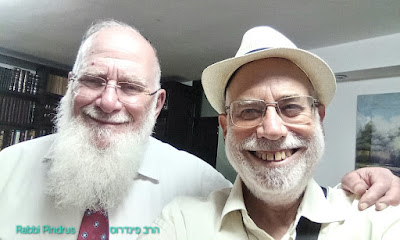
I started learning it as a result of a visit about two years ago to my old Talmud teacher, Rabbi Moshe Pindrus, from Yeshiva Ohr Somayach. I hadn't seen him in quite some time and during the course of our conversation he asked if I was studying Gemara. When I sheepishly admitted that I was not, a look of great sadness crossed his face. With that I resolved to resume my Talmud studies. 


As an expression of my happiness, I phoned my old Gemara havrusa (study partner) Avraham Ehrblich. I discussed the mesechta with him commenting that my understanding and appreciation of the Talmud had advanced considerably over the years. He gave me a heartfelt congratulations and wishes for further success. 


We chatted some and I could see that he was interested in hearing of the insights I had obtained. I focused on the section of the Gemara which deals with the topic that is about returning a stolen item to a deceased convert who has no heirs. It is typically called גֶזֶל הַגִר. It’s based on Numbers 5:8, which states, “If a man has no savior (גֹּאֵל) to return his guilt (הָאָשָׁם) to, his guilt will be returned to Hashem to the priest, besides the ram of atonement that through which he will be atoned”. The Gemara takes the position that a convert is a totally new creation, therefore prior blood relations no longer exist. Also all Jews are related through Jacob, our patriarch. As a result this verse can only refer to robbery from a convert. There are many aspects to this verse that can be explored especially in view of its analysis in Bava Kama. 


The aspect that captured my attention at the moment was the question posed by the Gemara as to whether the item returned to the priests should be viewed as an inheritance or a gift. My own point of view is that an inheritance involves more than property, rather it includes the idea of keeping the memory of the deceased alive. Traditional applications of this concept include saying Kaddish for the deceased, lighting a memorial candle on the yahrzeit, and periodically visiting the grave. For myself I look at photographs of them and upload them onto Facebook, phone members of  my family, and bring refreshments to shul.


Extending the concept that a convert is a new creation to the extent that the immediate family is not to be reckoned in all cases as inheritors, seems to me to be excessive. In addition saying that a very distant relative is an inheritor also seems to be excessive. More problematic the net result of these positions is to basically annul this verse in the Torah.


I also received congratulations from others, among them my good friend from Brachfeld Baruch Rosenfeld, Rabbi Viener of the Biala synagogue, where I often sit and learn, as well as my brother Danny. In addition I made donations to the websites Sefaria and Chabad. To celebrate I made myself a festive meal of a salami sandwich and a beer. 


The next day I went to the Western Wall to give thanks to G-d for bringing me to this achievement. It took me about two years to finish the mesechta. As a result I was happy and proud and this seemed to be a good way to express my joy. My old magid shiur in Gemara was on the way and I was lucky enough to find him at home. In fact this was the high point of the Jerusalem visit. 


I was happy to go to the Wall and there I gave tsedaka and said a number of Psalms among the 45, 103 and 148. Psalm 45 describes a talmid chacham as a humble, righteous warrior, married to a beautiful woman. Psalm 103 main theme is penitence and God’s love and mercy. It’s often said as a prayer for the sick. I particularly like verse 5, “He satitiates your body with good, and renews like an eagle my youth”. Psalm 148 is an exhortation for all aspects of the creation to praise Hashem. Its beauty comes through its diversity and increasing intensity. 


There is a halachic opinion that it is a mitzvah to spend money in Jerusalem. It’s an aspect of the second tithe. As such I had a half a pita of falafel and a french fries at one of my favorite shops. Inside the old city I ate a slice of pizza. And in the central bus  station I bought some ice cream.


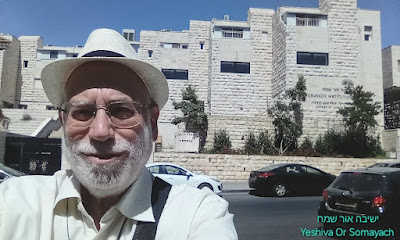
Even so, seeing Rabbi Pindrus is what really warmed my heart. Of all my teachers he’s one that I’d use the word beloved. He welcomed me warmly and cheerfully. I’m 72 and he may be around 80 and I could see the years had taken their toll. His apartment was in the neighborhood across the street from Yeshiva Or Somayach where he had spent his career. I’d say that he had dedicated his life to the yeshiva world and that the Gemara was central to his life. 


We chatted for about an hour about Talmud study and I said that for a long time I did not really understand the document. Specifically it was not case law but rather pilpulei talmidei chachamim (פילפולי תלמודי חכמים), literally the discussions of wise students. To really understand the Gemara it helps to function on a colell. There you will find people as wise and saintly as Rabbi Shimon bar Yochai, teachers as learned as Rabbi Meir, and students as dedicated as Rabbi Yehuda. There are also havrusas like Rav and Shmuel, Rabbi Yochanan and Reish Lakish, and Beit Hillel and Beit Shamai. It may be cringe worthy but at times their discussions more resemble those of sports fans than those of jurists, but that really is the way to understand it. At the cost of misunderstandings of the law one gains a love of those that study Torah.


This caused many heated discussions between Rabbi Pindrus and myself, especially because my focus was the Torah of Moses and the prophets. I expressed the sentiment that at times studying the Gemara was like searching for pearls in the sand. The result at times was that the opinion that I felt was true may be rejected. 


I then expounded on the verse concerning an ox that has been witnessed to be dangerous must be carefully guarded by its owner. The Chumash states that if the owner fails to do so, he should die. Rabbi Pindrus quickly added at the hands of heaven meaning that it was not a capital offense to be executed by a human court, which is the accepted explanation. I voiced the objection that according to the Gemara for the ox to be adjudicated to be dangerous it must kill three times. This was inconsistent with the verse that an ox that kills one person must be stoned to death. The rabbi with understanding and some exasperation gave one of the explanations in the Gemara that perhaps the ox hid out in a swamp, thereby evading judgment. I said that there is an opinion in the Gemara, briefly stated and quickly rejected, that a judge can rule that the animal is dangerous even if it has not killed a man, which was my point of view. Also this seems to be the intent of the Torah. Rabbi Pindrus was all smiles when I took a selfie with him and I continued on my way.


The following Shabbos I made a formal siyum at the Biala beis midrash, where I sponsored a kiddush. It was not elaborate; Yerushalmi kugel, herring, and a bottle of Arak. I said the special kaddish for a siyum after which Rabbi Weiner started dancing with me and other congregants promptly joined in. While we enjoyed the refreshments the rabbi gave a talk on the weekly Torah reading during which he praised those that study the Torah. I also started the next mesechta in the Gemara Bava Metzia and received many good wishes that just as I finished this project so too I should start and finish other sacred texts.


לע"נ

האבא פייוול בן אהרן זצ"ל ב אדר תשפ"ג

  האמא מלכה בת חיים ז"ל נלב"ע טו ניסן תשנ"ח

העלון ניתן לקבל גם באתר  http://dyschreiber.blogspot.com