Thursday, April 20, 2017

The Medical Aphorisms of Moses Maimonides: Introduction & Chapter 1

The introduction is to “The Medical Aphorisms of Moses Maimonides” is fundamentally an author’s explanation of important literary issues in the book. Here the Rambam explains why he set his work up by using the grammatical form of aphorisms. Aphorism is a translation of the Hebrew word פֶּרֶק (perek). In this case a perek is a short paragraph. An example of this would be the Mishna especially Pirkei Avos. He justifies his choice of Mishnayos because it is readable, understandable, and penetrating, and also remarks that this form was used by Hippocrates, Galen, and other great doctors. The aphorisms are required to be memorized. The objective is that the student should ponder each aphorism and be articulate about it.

פרקי משה.jpg
Maimonides then discusses the nature of citing the original source and its importance. In regards to that he says it should be done concisely and with selectively. This is so the article will not become excessively wordy. Much text is spent justifying his decisions against likely public criticism. He concludes by saying that he organized the chapters into a number of articles “to lighten up the task of memorizing them and to reveal that which I wanted to reveal (להתגלות בזה מה שאני רוצת לגלותו)”.


25 chapters are then listed each with a less than one sentence title. Some of the topics include physical description of parts of the body and their workings, medical theory and techniques, general medical advice, and treatments for specific maladies. However, there is not much of topical pattern.

The first chapter has 74 aphorisms. It describes the parts of the body, how they operate, and their functions. However some of them are digressions to aid in memorization. The first aphorism states, “Nerves both sensory and motor join the brain or spinal cord to the muscles. They touch the front or the center of the muscle. The middle section is regarded as the principal section of the muscle”. The next mishna is about the connection of the nerves to the muscles of the diaphragm. The diaphragm is a part of the body which separates the digestive organs from the lungs and heart. The next aphorisms deal with arteries and veins. The skeletal system is then brought into the analysis. After that the organs are briefly discussed. The senses and mental illness are also mentioned briefly. The last topics are things like movement especially voluntary movement, memory, digestion, expulsion of waste, speech, and procreation.

The longest sections are number 38 concerning sensations during sleep, number 58 on the assimilation of nutrients, and number 72 on the potentials of semen. Sections 32 through 40 deal with voluntary movement which is contrasted with the reflex and confused  movements which occur during sleep. Maimonides explains that voluntary movement is sometimes derived from active thought and other times from reflexes caused by various sensations. He also mentions a guarding force emanating from memory.

The Rambam counts three stages of digestion. The first occurs in the stomach, the second in the intestines, and the third in the liver, after which the finished nutrients are distributed throughout the body. Four seminal forces are described. It is not clear if these emanate from some form of semen itself or simply have similar properties. The first is the procreating or developmental force which makes things like bones and nerves. The structure-forming force shapes and sizes them. There are also growth and nutritive forces. All of them are present in the workings of the body from the fetus until death. However different ones are dominant at different periods of a person’s life.


Bibliography:

פרקי משה - משה בן מימון, 1138-1204; HebrewBooks.org;

Rosner, Dr. Fred; Maimonides Medical Writings (Volume 3) - The Medical Aphorisms of Moses Maimonides; published by The Maimonides Research Institute, Haifa, Israel.


לע"נ  האמה מלכה בת חיים ז"ל נלב"ע טז ניסן תשנח
העלון ניתן לקבל בדואר אלקטרוני  וגם באתר  http://dyschreiber.blogspot.com


פרקי משה: הקדמה ופ"א

הקדמה ל"פרקי משה" מסביר בעיקר ענייני ספרות חשובים ששייך לספרו. פה הרמב"ם מסביר שימושום של פרקים. פירוש פֶּרֶק זה קטע קצר. דוגמה לזה משניות פרקי אבות. הוא מצדיק בחירתו כי "עוזר זה לקורא אותם להבין כוונותיהם ולזכרם על פה". גם צורה זו שמשה את היפוקרטס, גאלן, ורופאים אחרים נהדרים. המטרה היא כי התלמיד יתבונן בכל פתגם ולהיות רהוט על זה.
פרקי משה.jpgהרמב"ם דן באופיו של המקור המקורי וחשיבותו. על כך הוא אומר שצריך לעשות זאת תמציתי סלקטיבי. צריך את זה כדי שהמאמר לא יהיה מלולי. הוא מאריך להצדיק את החלטותיו נגד ביקורת ציבורית אפשרית. הוא מסכם שהוא חלק את הפרקים האלה למספר מאמרים כדי להקל זכירתם או שיתגלה בזה מה שהוא רוצת לגלותו.
25 פרקים מופיעים כל אחד עם כותרת פחות ממשפט אחד. חלק מהנושאים כוללים תיאור פיזי של חלקי הגוף ואת פעולתם, תיאוריה רפואית ותהליך ביצוע, ייעוץ רפואי כללי, וטיפולים עבור מחלות שונות. עם זאת, אין הרבה ארגון לעניינים.
יש לפרק הראשון 74 קטעים. הוא מתאר את חלקי הגוף, את פעולתם ואת תפקידיהם. עם זאת יש כמה שהם יוצא דופן ורק לסייע שינון. אמר הפתגם הראשון, "העצב אשר יבא לעצל בכח החוש והתנועה מהמוח וחוט השדרה מתחבר בכל עצל  אם בתחלהו. או בין התחלתו ואמצעותו. והיה  המקום האמצעי הוא ראש אותו העצל".
המשנה הבא הוא על החיבור של העצבים אל השרירים של הסרעפת. הסרעפת היא חלק מהגוף המפריד בין אברי העיכול לבין הריאות והלב. הסעיפים הבאים עוסקים בעורקים וורידים. מערכת השלד מובא למחקר. אחרי כך האיברים נדונים בקצרה. החושים ומחלות הנפש גם מוזכרים בקצרה. הנושאים האחרונים הם דברים כמו תנועה במיוחד תנועה מרצון, זיכרון, עיכול, גירוש פסולת, דיבור.
הסעיפים הארוכים ביותר הם מספר 38 לגבי תחושות במהלך השינה, מספר 58 על הטמעת חומרים מזינים. סעיפים 32 עד 40 עוסקים בתנועות התנדבותיות המנוגדות לרפלקס ותנועות מבולבלות המתרחשות במהלך השינה. הרמב"ם מסביר שהתנועה ההתנדבותית נובעת לפעמים ממחשבה אקטיבית ומפעמים אחרים מרפלקסים הנגרמים על ידי תחושות שונות. הוא מזכיר גם את כוח השמירה שמקורו בזיכרון.
הרמב"ם מונה שלושה שלבי עיכול. הראשון מתרחש בבטן, השני במעיים, והשלישית בכבד, לאחר מכן החומרים המזינים מופצים בכל הגוף. ארבעה כוחות מתוארים. הראשון הוא הכוח המתפתח או ההתפתחותי שעושה דברים כמו עצמות ועצבים. כוח בניית המבנה מעצב ומגדיל אותם. יש גם כוחות צמיחה ותזונתיים. כולם נמצאים בגוף מן העובר עד ליום המות. עם זאת, יש כאלה שונים ששולטים בתקופות שונות של חייו של אדם.


Bibliography:

פרקי משה - משה בן מימון, 1138-1204; HebrewBooks.org;
http://hebrewbooks.org/pdfpager.aspx?req=46982&st=&pgnum=1&hilite=

Rosner, Dr. Fred; Maimonides Medical Writings (Volume 3) - The Medical Aphorisms of Moses Maimonides; published by The Maimonides Research Institute, Haifa, Israel.


לע"נ  האמה מלכה בת חיים ז"ל נלב"ע טז ניסן תשנח
העלון ניתן לקבל בדואר אלקטרוני  וגם באתר  http://dyschreiber.blogspot.com


Wednesday, April 5, 2017

Tsav / Pesach - The Value of Freedom

On Passover we celebrate the exodus from Egypt. The siddur gives Passover the appellation the “time of our freedom”. Egypt is often called the house of bondage and the Jews are frequently exhorted to remember the day that they left Egypt. There is even a mitzvah to remember the exodus specifically every day.


Many note that Shavuos follows Pesach and the two holidays are linked by the 49 day counting of the Omer. As homily it is said that they are both the same holiday albeit with a large number of intermediate days. Shavuos is the anniversary of the giving of the Ten Commandments on Mount Sinai and is called by the siddur the “time of the giving of our Torah”. Because of this a homily is made that the freedom of Passover was for the purpose of accepting the yoke of heaven.


Pesach 5777.jpgIt is possible to say that in the final analysis everything a person does should be for the purpose of knowing the Creator and serving him. Just the same it is appropriate to reckon freedom as value in and of itself. The Jewish experience of bondage in Egypt was not the type of slavery where the slave is the property of the owner and, is not greatly different from an animal or even an inanimate object. Rather it was like working for a miserable employer. The boss was a low-life tyrant and a fool. The place was a sweatshop that paid coolie wages. To make matters worse it was impossible to quit and leave. As a result just simply getting out of this dismal situation was reason for celebration.


The Chumash emphasizes that Israel left Egypt in the spring. In doing so it is hinting that slavery is like the bitter cold of winter and that freedom is like the temperate weather of the spring. In addition one is exhorted to generally feel as if they left Egypt in their lifetime. Part of refreshing the memory about the bitterness of slavery is eating a very bitter vegetable like horseradish during the Pesach Seder. This is compared to the sumptuous meal, four cups of wine, and comfortable furniture which are signs of freedom.


The point is the political persecution and the oppression of poverty are a curse. They are extensions of the G-d’s curse of Adam and all men that they will earn their bread by the sweat of their brow. The Torah does not want that for the Jewish people and all men. Therefore escaping from the trap of any sort of slavery is reason for celebration. Even if if one does not go to a good situation just getting out of a bad situation is enough. This is even if one must flee into the desert in spite of lacking adequate provisions.


The point that freedom is a preparation for keeping the Torah remains valid. Absolute freedom without anything to fill the time results in emptiness. A person does not live by bread alone rather one lives by the word of G-d. Torah learning and mitzvahs give a person a sense of purpose. One is not just surviving but is fulfilling a higher task. In addition the paths of Torah are pleasant paths. The best way to learn Torah is to spend a reasonable amount of time in a pleasant environment and not to be pressured by other things especially money. Therefore the freedom from being a workaholic allows a person to take up the pleasant and prestigious work of learning Torah and doing mitzvahs.


לע"נ  האמה מלכה בת חיים ז"ל נלב"ע טז ניסן תשנח
העלון ניתן לקבל בדואר אלקטרוני  וגם באתר  http://dyschreiber.blogspot.com


צו / פסח # 221 - ערך החופש

בפסח אנו חוגגים את יציאת מצרים. בסידור מכונה חג הפסח "זמן חירותנו". מצרים נקרא "בית עבדים", והיהודים קבעו חג כדי לזכור את יום שהם יצאו ממצרים. גם יש מצווה לזכור במיוחד את יציאת מצרים כל יום.
רבים מציינים כי חג השבועות מגיע לאחרי פסח ושני החגים מקושרים על ידי ספירת 49 יום של ספירת העומר. יש לדרוש ששניהם אותו חג והימים שביניהם הם מספר רב של ימי חול המועד. חג השבועות הוא יום השנה של מתן עשרת הדיברות בהר סיני הסידור קורא לזה "זמן מתן תורתנו". בגלל זה יש דרשה כי הפסח היה לצורך קבלת עול מלכות שמים.
Pesach 5777.jpgאפשר לומר שבסופו של דבר כל מה שאדם עושה צריך להיות בכדי לדעת את הבורא ולשרת אותו. אעפ"כ ראוי לראות החירות כערך בפני עצמו. החוויה היהודית של שיעבוד מצרים לא היה סוג של עבדות שבו העבד הוא רכושו של הבעלים, הוא לא שונה בהרבה מן חיה או אפילו חפץ דומם. במקום זה היה כמו לעבוד עבור מעסיק עלוב. הבוס היה עריץ מנוול ושוטה. העבודה היתה קשה והשכר נמוך. להחמיר את המצב היה שאי אפשר להתפטר ולצאת. כתוצאה מכך רק לצאת מהמצב העגום הזה היה סיבה לחגיגה.
החומש מדגיש שישראל יצאו ממצרים באביב. בכך הוא רומז כי העבדות היא כמו הקור הקשה של החורף וכי חופש הוא כמו מזג האוויר מתון של האביב. בנוסף צריך להרגיש כאילו כל אחד עזב את מצרים בחייו. כדי לזכור את המרירות של עבדות אוכלים ירק מאוד מריר כמו חזרת בסדר פסח. זאת בהשוואה לארוחה המפוארת עם ארבע כוסות יין וריהוט נוח שהן סימני חירות.
הנקודה היא הרדיפה הפוליטית והדיכוי מן העוני הוא קללה. אדם הראשון וכל האנושות נתקללו כי הם יקבלו את הלחם שלהם על ידי הזיעה של המצח שלהם. התורה לא רוצה את זה עבור העם היהודי וכל בני האדם. לכן להימלט מן המלכודת של כל סוג של עבודה פרך היא סיבה לחגיגה. אפילו אם לא נכנס למצב טוב רק לצאת ממצב רע זה די. זה גם אם נאלץ לברוח אל המדבר למרות חסר אספקה מספקת.
הנקודה כי חירות היא כהכנה שמירת התורה נשארת תקפה. חופש מוחלט בלי שום דבר כדי למלא את הזמן תוצאות ריקנות. אדם אינו חי בלחם לבדו אלא חי על פי דבר ה '. לימוד תורה ומצוות לתת לאדם תחושה של מטרה. זה לא רק לשרוד אלא הממלא תפקיד גבוה. בנוסף, דרכי התורה הן דרכים נעימות. הדרך הטובה ביותר ללמוד תורה היא להשקיע כמות סבירה של זמן בסביבה נעימה ולא להיות בלחץ על ידי דברים אחרים במיוחד כסף. לכן החירות מלהיות מכור לעבודה מאפשרת לאדם לקחת את העבודה הנעימה והיוקרתית של לימוד תורה ועשיית מצוות.

לע"נ  האמה מלכה בת חיים ז"ל נלב"ע טז ניסן תשנח
העלון ניתן לקבל בדואר אלקטרוני  וגם באתר  http://dyschreiber.blogspot.com


Wednesday, March 29, 2017

חלק ז: סיקור הכתבים הרפואיים של הרמב"ם

המשך הרישום של הכתבים הרפואיים של הרמב"ם.
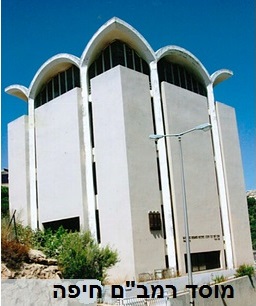
מוסד רמבם.jpg11. "על קץ החיים", שם בערבית לא ידוע. ספר זה הוא תיאור מפורט של סיבות שונות למוות. הוא תורגם לעברית על ידי יהושע ליבוביץ, אך עדיין לא לאנגלית. הוא מופיע במאמר ויקיפדיה בעברית על הרמב"ם, אבל לא מצאתי את הספר, הביאט כמה  ציטוטים שמצאתי. האחת היא, "קביעות קצבת החיים של האדם היא קבועה מראש, אך אין היא מוחלטת, ויכולה היא להשתנות בהתאם למעשיו הפיסיים והרוחניים של האדם". השני הוא, "האויר אינו חודר ללב וכך נגרמת הפסקת הנשימה". קטע הזה אמר על הפגיעה בריאה יש רמז לפקקת וביטוי למחשבה המודינמית.
מקורות אחדים מציינים ספר בשם "תשובות רפואיות". בהתחלה חשבתי שזאת עבודה נפרדת של שאלות רפואיות שהובאו לרמב"ם ולתשובותיו. אבל על מחקר נוסף ראיתי שזה שם אחר לספר "על בירור סימני ההתקפים".
סֶט שבעת הכרכים "Maimonides Medical Writings" (כתבי הרפואי הרמב"ם) מאת ד"ר פרד רוזנר סדר שלהם כדלקמן.
כרך 1: על סמי הרפואה, מאמר הטחורים.
כרך 2: פירוש לפרקי אבוקרט
כרך 3: פרקי משה
כרך 4: Moses Maimonides’ Three Treatises on Health. הנהו, הנהגת הבריאות, ו על בירור סימני ההתקפים. השלישי הוא הלכות דעות שנמצא במשנה תורה.
כרך 5: קיצורי גלנוס
כרך 6: ספר הקצרת
כרך 7: שמות התרופות
רוזנר אינו כולל "על קץ החיים".
ספרים אלה ואחרים מתפרסמים על ידי מכון מחקר רמב"ם  (Maimonides Institute & Ramba"m Center), רח' הרב אסף דוד 3-7, ת.ד. 9049 , הר הכרמל, חיפה, 31090, טלפון # 04-8255152 (ישראל), 212-366-9020
ו 917-513-0139 (ארה"ב). המשימה של מכון המחקר של הרמב"ם היא לחזק את לימוד והרבצת הידע של הרמב"ם, כולל כתבי הרפואה שלו. חלק מהשירותים שלה הם ספריה, בית מדרש, כולל ומכירה של ספרים. נשיאה הוא הרב יהודה אסף. יו"ר הועד הרפואי הוא ד"ר אהרון פיינגולד וד"ר פרד רוזנר.


לע"נ  האמה מלכה בת חיים ז"ל נלב"ע טז ניסן תשנח
העלון ניתן לקבל בדואר אלקטרוני  וגם באתר  http://dyschreiber.blogspot.com


VaYikra # 7: Survey of the Medical Writings of Maimonides

Continuation of the listing of the medical writings of Moses Maimonides commonly referred to as the Rambam.

11. “על קץ החיים”, Name in Arabic not known; English name, “Concerning the End of Life”. This book is a detailed description of various causes of death. It has been translated into Hebrew by Yehoshua Leibowitz (יהושע ליבוביץ) but still not into English. It is listed in the Hebrew Wikipedia article on the Rambam, but I have not found an edition of it on the internet. There are a couple of quotes from it I found on the internet. One is, “There are predetermined lifetime allotments but they are not absolute, rather they can vary according to the physical and spiritual actions of the man”. Another is, "The air does not penetrate the heart and thus causes the cessation of breathing". This section concerns a punctured lung and hints at  the formation of a blood clot inside a blood vessel, which obstructs the flow of blood through the circulatory system. It also is an expression of the mechanism for blood circulation throughout the system.

Some sources list a book called “Medical Responsa” (תשובות רפואיות). I originally considered this to be a separate work of medical questions posed to Maimonides and his replies. However on further research I saw it was a different name for the the book “Clarifying the Symptoms of Outbursts” (על בירור סימני ההתקפים).

The seven volume set “Maimonides Medical Writings” by Fred Rosner, M.D. has their order as follows.
Volume 1: Poisons (על הסמים), Hemorrhoids (מאמר הטחורים), Cohabitation (מאמר המשגל)
Volume 2: “Maimonides’ Commentary of the Aphorisms of Hippocrates” (פירוש לפרקי אבוקרט)
Volume 3: “The Medical Aphorisms of Moses Maimonides” (פרקי משה)
Volume 4: Moses Maimonides’ Three Treatises on Health. They are “Regimen of Health” (הנהגת הבריאות) and, “Causes of Symptoms” (על בירור סימני ההתקפים). The third he calls “Laws of Human Temperaments”, however this is not a separate medical writing of the Rambam rather it is a section (הלכות דעות) found in his larger work of the Jewish law the Mishna Torah.
Volume 5: “The Art of the Cure -- Extracts from Galen” (קיצורי גלנוס)
Volume 6: “Treatise on Asthma” (ספר הקצרת)
Volume 7: “Glossary of Drug Names” (שמות התרופות)
Not included in Rosner is “Concerning the End of Life” (על קץ החיים)

These and other books are published by “The Maimonides Research Institute”, 3-7 David Assaf ST, Post Office Box 9049, Mount Carmel, Haifa 31090, Israel.  Telephone # 04-825 5152 (Israel), 212-366-9020 and 917-513-0139 (USA). Website: https://www.restorerambam.org/ . The mission of The Maimonides Research Institute is to encourage the study and dissemination of the works of the Rambam including his medical works. Its services would include a library, beis midrash, kollel, and book store.  Its president is Rabbi Yehuda Assaf. The medical board chairmen are Aron Feingold, M.D. and Fred Rosner, M.D.


לע"נ  האמה מלכה בת חיים ז"ל נלב"ע טז ניסן תשנח
העלון ניתן לקבל בדואר אלקטרוני  וגם באתר  http://dyschreiber.blogspot.com

Wednesday, March 22, 2017

הכתבים הרפואיים של הרמב"ם # 218 - על בירור סימני ההתקפים

המשך הרישום של הכתבים הרפואיים של הרמב"ם.
10. “על בירור סימני ההתקפים”,  Maqāla Fī Bayān al-Aʿrāḍ; שם הספר הוא למעשה תרגום של השפה הערבית המקורית. נראה כי התרגום העברי מראה את כוונת הרמב"ם. המילה הקשה בשם הספר הוא "התקפים". בשפת עברית הֶתקֵף יכול להיות התקפה, בכושר רגשי, או תקופת זמן. רוזנר מתרגמת את הכותרת כ"סיבות התסמינים "ו"שיח על הִתפָּרְצוּת". יש לתרגם את המילה האחרונה כמו "צירופי מקרים". המשמעות של המילה האחרונה בערבית היא כמו המילה העברית "רעד" אשר לעתים קרובות פירושה רַעַד או חַלחָלָה. תרגומים לטיניים מזכירים סבל מדכאון וסימני מחלה.
O121_pop.gifהספר אינו מזכיר את המחלות הספציפיות שפגעו בסולטן. למרות זאת היא עבודה נפרדת "על בירור סימני ההתקפים" בדרך כלל נחשב בן לוויה אל "הנהגת הבריאות". המחלות המוזכרות כאן הן עצירות, דיכאון, מחשבות רעות, חרדה מפני מוות ועיכול לקוי. הראשון הוא תשובה למכתב מהסלטן שבו הוא מפרט את האירועים הכואבים ואת מחשבותיו בזמן התרחשותם. Encyclopedia.com מציינת כי ספר זה נכתב עבור הסולטאן אפדאל נור אל-דין עלי, שביקש הסבר על הסיבות להמשך דיכאון. רוזנר מוסיף, לב חלש, דפיקות לב וכאבי ראש.
ד"ר סטיבן גרין מכנה זאת, "ראשיתו של הרמב"ם לטיפול במחלות דו-קוטביות". עם זאת החולה נושא הנושא הזה לא נפגע עם ההיסטריה המתפשטת הקיצונית המאפיינת היפומניה. לסולטן יש קשיים רגשיים מכאיבים ומתישים, אבל הם לא חזקים מספיק כדי להוות פסיכוזה. הרעיון של שיקום מצב רגשי בריא באמצעות דיון כדי לפתור בעיות מטרידות, תזונה בריאה וסביבה נעימות, אנשים תומכים, ושימוש מתון של הרגעה ומעליות מצב הרוח נראה תקף; ובכל זאת לרפא פסיכוזה בשורש שלה יהיה קשה מאוד בגלל עוצמת המחלה. אני מאמין שהרמב"ם היה יכול לרפא ולרפא פסיכוזה. עם זאת, חלק ניכר מן התרופה היה קשור להשפעה על המטופל של צדקתו וחוכמתו. בדרך זו הוא היה דומה לנביא, מרפא אמונה או חכם תלמודי.
הרמב"ם התעניין בהפרעות פיזיות שהיו להן בסיס פיזי, למשל נשיכות נחש וריפוין. הוא גם התעניין בהפרעות רגשיות ושכליות שהיו להן מקור פיזי. לעתים קרובות הוא לוקח את עמדתו כי מחלות, הן רגשית והן גופנית, לעתים קרובות נגרמות על ידי איזה כישלון מוסרי וזה היה האינטרס העיקרי שלו.
על בירור סימני ההתקפים הוא בעיקר סקירה של טיפולים שהסולטאן היה מקבל עבור מחלותיו. החלק הראשון עוסק עם ניקוז של דם עכור מתוך טחורים באמצעות דחיסות סופגות ותרופות. הוא מסביר כי הבעיה עם ציור מלאכותי הוא כי ורידים להיות מודלק, זרימת הדם יכול להיות יותר מדי,ודם בריא גם נמשך. עם זאת, אם זה קורה באופן טבעי לא צריך לחסם את זרימת אלא אם כן הוא מוגזם. הוא מעיר כי כאשר הטבע פותח את הוורידים הוא עושה זאת עד כמה זה הכרחי ובעיקר את החומרים הלא בריאים עוזבים. אבל כאשר יש נפיחות וכאב, אז הטבע לא יכול לפתוח את הוורידים והם צריכים להיפתח ידנית.
בחלק השני מדגיש הרמב"ם טוניק של 35 גרם של מי ורדים, 70 גרם מיץ צמח לשון שור (lingua bovis), ו -28 גרם של יין סורי כדי לשפר את מצבו הכללי של החולה. מניח את מְרַעֲנֵן עשר שעות לפני שהוא שותה. קח את זה כמה שעות לפני הארוחות וגם כמה לפני השינה. הוא משבח שתיית כמויות קטנות של יין כי זה מסייע לעיכול, מקל על חיסול של זיהומים דרך השתנה, ומרים את הרוחות. ערבוב זה עם מי ורדים, זה מרחיב את הרוח, ממריץ את הבטן, ומוסיף את היתרונות של היין. הצמח שור השן גם משפר את מצב הרוח ומבטלת את מרה שחורה הגורמת לדיכאון. השילוב כאשר נלקח בזמן השינה גורם לשינה קולית, מטשטש מחשבות מטרידות, מקל על עיכול וגירוש של פסולת.
המלצות אחרות הן רחצה שוטפת, העברת הודעות עם שמן סגול, וכן הִתעַמְלוּת גופנית בתוך גבולות נאותים. סעיף נוסף דן בתזונה. יש לאכול בקביעות לחם. הקמח לא צריך שרוי, אלא מסונן היטב, עדיף אפוי בתנור חרס. יין לבן קל, בעל טעם טוב מועיל, אבל יינות אדומים כבדים לעולם לא לשתות. עוף הוא הבשר המושלם. זה צריך להיות טבעי שומן ולא כוח הזנה. מתכון טוב הוא לרתיחה, תבשיל, או אדים אותו עם כוסברה טריים ושומר ירוק. הוא גם ממליץ על מתכונים של עוף הכוללים שקדים, סוכר, מיץ לימון ויין. עוד אחד עם צימוקים, שקדים, וקצת חומץ. ישנם שינויים עונתיים לתזונה, אבל אלה טובים לכל הזמנים של השנה.
הרמב"ם מסיים את הספר בדיון על דת ורפואה. הוא אומר כי הנזק והתועלת של תרופות רפואיות ניכרת לעין. עם זאת, את הנזק ואת היתרונות של איסור והיתר דתיות לא נראים מיד בעולם הזה.


לע"נ  האמה מלכה בת חיים ז"ל נלב"ע טז ניסן תשנח
העלון ניתן לקבל בדואר אלקטרוני  וגם באתר  http://dyschreiber.blogspot.com


Bibliography:

Encyclopedia.com; article on Maimonides, Moses

Rambam Maimonides Medical Journal, “Moses Maimonides: Biographic Outlines” by Fred Rosner, M.D., M.A.C.P.; http://www.rmmj.org.il/userimages/3/0/publishfiles/3article.pdf

Rosner, Dr. Fred; Maimonides Medical Writings (Volume 4) - Three Treatises on Health; published by The Maimonides Research Institute, Haifa, Israel.